 Sports Tourism Friday on Sport for Business
Sport is not the headline but it is to be a part of the ‘Destination Dublin’ strategy to grow Dublin tourism between now and 2020. It is up to sporting organisations, their commercial partners and the Sport for Business community through the Irish Sports Tourism Alliance to make sure it takes up a rightful position to the fore of the changes that are being implemented.
The strategy was launched yesterday in the City Centre by Minister for Transport, Tourism and Sport Leo Varadkar, Dublin Mayor Oisin Quinn and Keith McCormack of Fáilte Ireland who will have overall responsibility for delivering.
Tourism numbers in 2012 were down 18% for Dublin from the peak of 2007, and the revenue those tourists left behind was down by 12.6%. This was despite the major success of the Notre Dame Navy American Football match at the Aviva Stadium.
The numbers did bounce back last year but the plan for the programme unveiled now is to almost Dublin overseas visitor spending by 2020 to a figure of €2.5 Billion.
It will not happen without a much greater degree of collaboration between stakeholders than has to date been evident. Hotels, restaurants, event promoters and everyone with an interest in promoting Dublin and Ireland needs to play some part and there is backing from Government and Dublin City Council to support initiatives that will add to the attractiveness of Dublin in international markets.
Surveys undertaken across Europe revealed a sorry image of Dublin as a “traditional and boring City, one that was seen as being dark and grey.” That is unlikely to have people clambering onto planes and boats to come visit, so the City is about to embark on a rebranding exercise around the theme of ‘Destination Dublin’ that will target specific groups of potential travellers.
The first of these are known as ‘Social energisers’, young couples and adult groups that are looking for excitement, new experiences and fun. Sport delivers this whether it is through learning to play hurling or crashing through the ‘mountains to sea’ natural hinterland we have for adventure racing and off road biking.
The culturally curious is a second group for whom Ireland’s sporting attractions from the RBS Six Nations matches to Gaelic Games and horse racing festivals in the country where jump racing first came about are sure to appeal once woven into other cultural experience.
Business tourism, catering for Cruises and developing major events are the other three areas of attention and once more sport can play a crucial role in each.
Sport as an international industry is one of the fastest growing on the planet. In the last 15 months Ireland has hosted major international conferences and meetings in Sailing and Paralympic Sport, both of which attracted hundreds of business visitors to the city.
We will host the Croke Park Classic in August, an event likely to bring in 25-30,000 overseas visitors who will spend and stay around the country.
The Rugby Internationals – kicking off next weekend with the visit of Scotland – produce an annual stream of visitors who spend an average of almost €1,000 per head but who could leave more, and enjoy an even better experience if a coordinated approach was adopted to offer additional memorable experience away from just the match and the pub.
We need to tell the story of Dublin in a way that is understood by international audiences.
When New York hosts the Superbowl next weekend it will have a fan zone set up in Times Square that will attract ten times the number of visitors that will take up seats in the Met Life Stadium on the Sunday night.
Dublin should be doing the same around the major sporting events that draw huge crowds from overseas, and around Ireland every February, March and September.
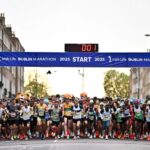
The Dublin Marathon in October and the Irish Grand National at Fairyhouse in April are other major events either in the city or on its doorstep that need to be considered as beacons on the tourism calendar, around which others can gather and help bring them to a greater audience.
The Irish Sports Tourism Alliance was created off the back of the Sport for Business Sports Tourism Seminar at Croke Park last November. We need to gather a convincing argument for sport to move up the priority agenda when it comes to festival and event planning and ensure that those things which are already working can be enhanced as part of the overall approach.
It is not a simple task but the reward for sport and for Dublin far outweighs the effort it will take to get it right. That is what needs to start from today.