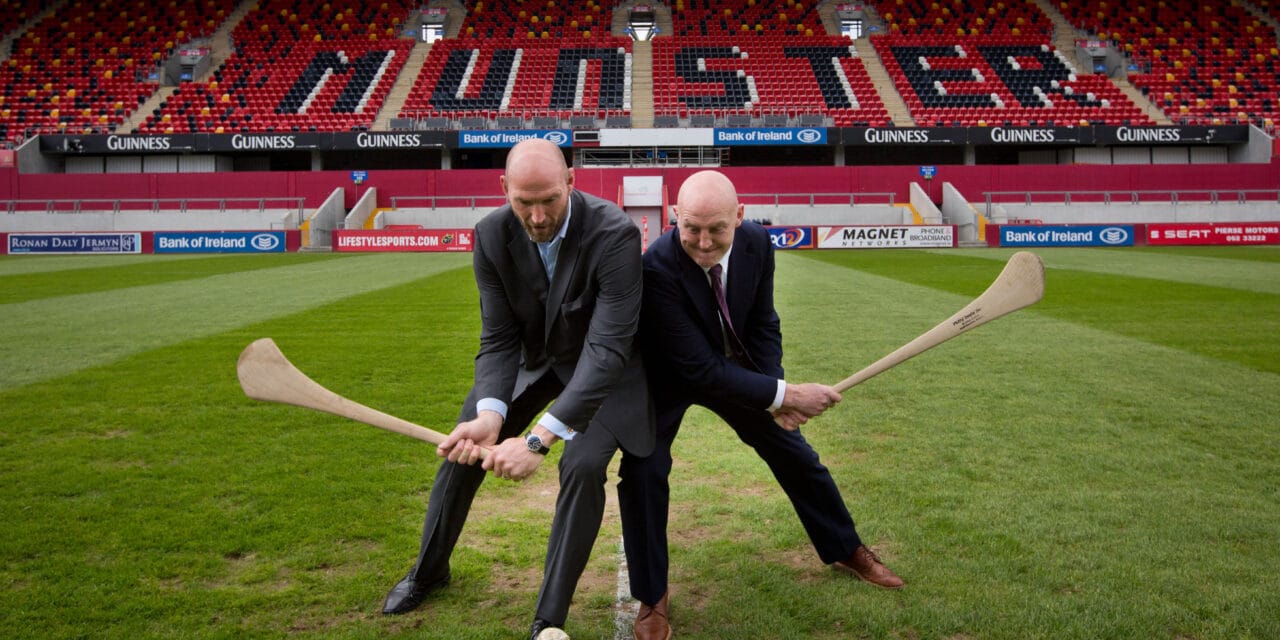
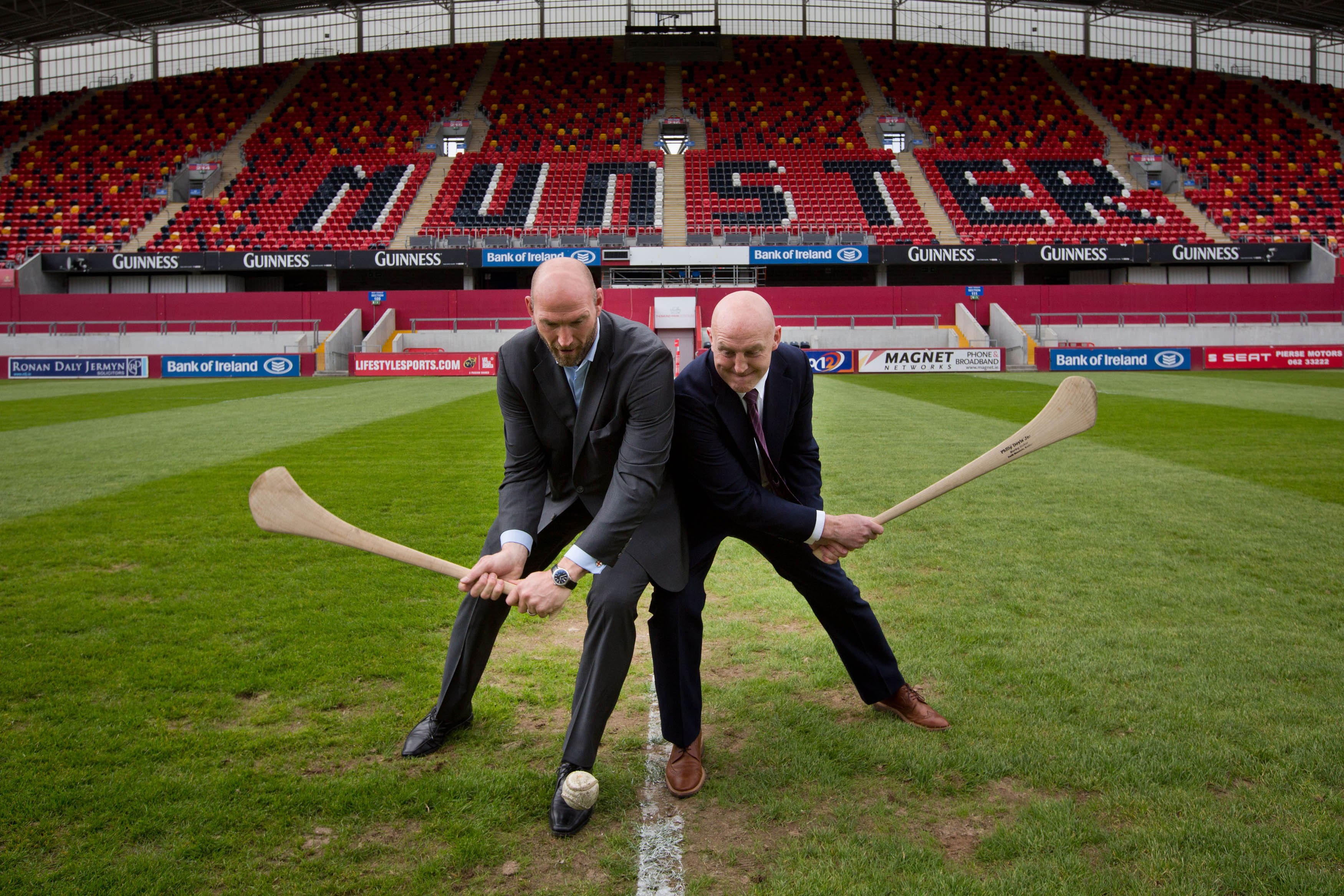
 The European Sport Tourism Summit took place on Thursday May 15th at Thomond Park in Limerick. It drew together over 200 professionals from the sports and tourism sectors and heard presentations from world leaders in the field.
Here are the highlights from the afternoon sessions including the presentations of the CEO of Sport Event Denmark, the Commercial Director of Cardiff City on how Premier League status created 4,000 jobs in the city, and some tough words from John Cantwell of Thomond Park Stadium on how different groups need to come together.
To see the morning highlights including from Martin Sneddon on the Rugby World Cup, Keith McCormack on Fáilte Ireland strategy and Rick Traer on how Canada banks on 85% public funding for major events, click here.
John Cantwell, Thomond Park Stadium
“Since the redevelopment of Thomond Park the stadium has generated €250 million of economic activity around Limerick and the region.”
“€200 million of that has been through sport and we have delivered €45 million in direct taxation. Thomond Park has been the equivalent value of a new company establishing in the region and employing 565 people.”
“The reopening of the Aviva Stadium in Dublin presented a serious challenge with most major international events reverting to the one venue in rugby and soccer. We had to get imaginative and work with partners in the region to bring big events to the city.”
“We worked with Limerick City soccer club to bring Man City to the area and sold 20,000 tickets in three weeks.”
“We worked with Shannon Development and Fáilte Ireland to bring the Rugby League World Cup to Thomond and the World Club 7’s this year will be another major, and sustainable event driving real economic return through sports tourism.”
Julian Jenkins, Cardiff City Commercial Director
Cardiff City’s return to the top flight of the premier League was worth an estimated £120 million to the local economy.
It attracted an additional 250,000 visitors for the 19 matches that took place. We liken them to 19 weddings in terms of the amount of individual planning that went into each event.
“The stay, albeit a short one, resulted in an additional 4,000 jobs being created and a sense of pride in the city that will live longer, and hopefully until our return in 12 months time.”
Jenkins pointed out that it was less about the football and much more about the experience of being part of a special occasion and showed this video of how they went about promoting ticket sales locally.
Sarah Harvey, European Operations Director, Tough Mudder
Tough Mudder will be staging its first Irish event on October 4th and 5th at Punchestown racecourse. It will be creating brand new obstacles for the endurance obstacle course using some of the steeplechase and bank features that are present at the racecourse.
2 million people participated in Tough Mudder events in 2013, that is more than took part in Marathon races in the United States and indicates the massive growth of such endurance and achievement based activities.
The concept grew out of a Harvard Business School competition and has expanded from an initial three events in 2010 to more than 60 completed and scheduled for 2014.
That has generated €110 million in revenues and €7.5 million for charity partners.
 Lars Lundov, CEO Sport Denmark
Sport Denmark has delivered on a model for attracting major events that Ireland could and should be adopting.
Between 2014 and 2019 it will host major championship events in Badminton, Archery, Trampoline and Tumbling, Women’s Handball, Men’s Handball, Wrestling, Tae-Kwondo BMX and Ice Hockey.
Many opt these events did not have a specific infrastructure requirement but imagination and temporary construction enabled Denmark to pitch a compelling case.
The genesis of Sport Event Denmark grew out of hosting the IOC Olympic Congress in 2009, where Rio beat off opposition from Chicago and others to host the 2016 games. Hosting so many sporting and political leaders for a conference of this importance showed that Denmark was serious and seriously capable of hosting big events.
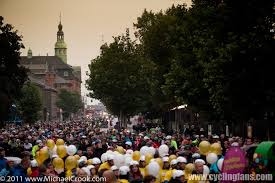
When Copenhagen hoisted the UCI World Cycling Championships it generated €31 million revenue for the city off a public investment of €3.2 million.
Denmark now has an 80% success rate when bidding for major events.
There are four keys to their success:
- Setting up a model with strong co-operation between sports federations and host cities
- Having a clear and realistic strategy on what can be achieved
- Innovation
- Hard work
Summary
Our three take aways from the day were:
- Sports related tourism is worth an estimated €650 million a year and is forecast to grow at a rate of 14% over the next six years, that’s three times more than ‘regular’ tourism.
- Ireland has a strong case for hosting major events as part of the 2020 European Soccer Championships and the 2023 Rugby World Cup. One or both of those would be transformational in terms of putting Ireland on the World Sports Tourism map.
- It is worth looking beyond those mega events as well and focusing on areas where Ireland can deliver with a very strong return on public investment.