The Glasgow 2026 Commonwealth Games open today with two very different scoreboards in play.
The first will measure sporting performance, with a 65-strong Team Northern Ireland seeking to build on the country’s most successful Commonwealth Games in Birmingham four years ago.
The second will determine whether a radically smaller, commercially driven Commonwealth Games can provide a sustainable model for the future of an event that appeared to be in serious danger when the original host, Victoria in Australia, withdrew.
Glasgow has stepped in with a compact Games running from July 23rd to August 2nd. Around 3,000 athletes from 74 nations and territories will compete for 215 gold medals across ten sports and six Para sports. Competition is concentrated within four existing venues located along an eight-mile corridor.
That is a significantly reduced footprint from previous editions, but it gives Team NI a focused platform on which several of the biggest names in Northern Irish sport can perform.
A Team Built Around Proven Medal Winners
Northern Ireland arrives in Glasgow with genuine medal contenders across swimming, boxing, gymnastics, athletics, bowls and Para sport.
Daniel Wiffen will compete in the 400 metres, 800 metres and 1,500 metres freestyle, while fellow Olympic gold medallist Jack McMillan is entered in the 100 metres, 200 metres and 400 metres freestyle.
They form part of a 15-strong swimming and Para-swimming squad that also includes Bethany Firth and Barry McClements. Firth won Northern Ireland’s first Commonwealth swimming gold medal in Birmingham, where Wiffen took silver and McClements secured bronze.
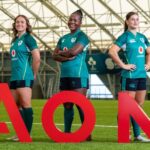
Rhys McClenaghan will again be the headline attraction in gymnastics. The Olympic champion won Commonwealth gold on the pommel horse in 2018 and silver in Birmingham. He is joined by Ewan McAteer, Eamon Montgomery and Chester Enriquez in Northern Ireland’s largest-ever men’s artistic gymnastics squad.
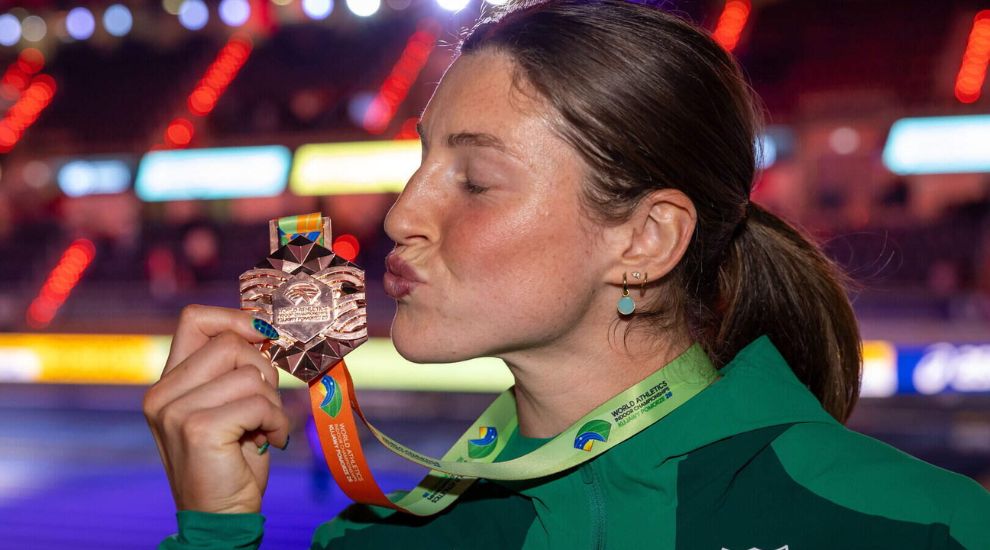
Kate O’Connor returns as one of the leading contenders in the heptathlon after winning silver in Birmingham and subsequently establishing herself among the world’s best combined-events athletes.
The athletics team also includes Nick Griggs and Callum Morgan in the 5,000 metres, James Gormley in the mile, Anna McCauley in the heptathlon and Eve Walsh Dann in the Para 100 metres.
Boxing has traditionally provided the strongest flow of Commonwealth medals for Northern Ireland. The 12-person team includes reigning champions Michaela Walsh and Jude Gallagher.
Northern Ireland won seven boxing medals in Birmingham, five of them gold, and finished top of the boxing medal table. Walsh will be seeking a fourth Commonwealth Games medal, a measure of both her longevity and the importance of the Games within the Irish and Northern Irish boxing pathway.
The challenge will be to approach the historic return of 18 medals achieved in 2022, when Northern Ireland collected seven gold, seven silver and four bronze medals.
A Distinctive Northern Ireland Sporting Story
The Commonwealth Games offer Northern Ireland a sporting identity unlike almost any other major international competition.
Athletes who may represent either Ireland or Great Britain at an Olympic Games come together under the Team NI banner. Wiffen represents Ireland internationally, while McMillan won Olympic gold as part of the British relay team in Paris, but both will swim for Northern Ireland in Glasgow.
That creates a powerful narrative for supporters and commercial partners. Team NI can connect athletes, clubs and communities that normally sit within different international systems, providing a rare shared platform for Northern Irish sporting achievement.
The Games are also taking place close enough to allow families, clubmates and supporters to travel in substantial numbers. That proximity should strengthen the atmosphere around the team and give sponsors more opportunities for hospitality, employee engagement and community activation than would be available at a Games in Australia, Canada or Asia.
From the BBC to TNT Sports
The most significant change for viewers will be in how the Games are broadcast.
TNT Sports and HBO Max hold the exclusive live television and streaming rights in the United Kingdom and Ireland. More than 600 hours of competition will be available, with every event streamed live on HBO Max.
TNT Sports will provide coverage throughout the day, including a dedicated “Commonwealth Games 360” service, while the 5 channel will show free-to-air highlights at 10 pm each evening.
It ends the BBC’s long run as the principal television home of the Commonwealth Games, dating back to 1954.
From a commercial perspective, the new arrangement presents both risk and opportunity.
The risk is that the Games lose some of the universal visibility provided by extensive live coverage on the BBC. A medal moment watched behind a subscription barrier may not enter the wider public consciousness in quite the same way.
That matters to sports, athletes and sponsors who have traditionally used the Commonwealth Games to reach audiences beyond their established fan bases.
The counterargument is that TNT Sports and HBO Max can offer far greater depth. Every session can be shown, viewers can follow individual sports more closely, and digital viewing should provide more detailed information about audience behaviour.
For sponsors, that creates the possibility of smaller but more engaged audiences, targeted content and clearer measurement of how supporters interact with the Games.
McClenaghan will also join the TNT Sports presentation team after completing his competition, providing an interesting example of how leading athletes can move directly from the field of play into media and commercial roles.
Sponsorship Is Central to the Glasgow Model
Glasgow 2026 has a projected operating budget of approximately £150 million.
Commonwealth Sport is contributing £100 million, with the balance expected to come from ticket sales, sponsorship, broadcast rights, merchandise and other commercial income. The core delivery model does not rely on direct public funding and involves no major new construction projects.
That makes sponsorship more than an additional revenue stream. It is fundamental to the ability to stage the Games.
The principal partner group includes Longines, Bupa, HBO Max, Ideagen and EDF.
Each has been given a clearly defined commercial territory. Longines is the official timekeeper, Bupa is the healthcare partner, Ideagen is the official AI technology partner and presenting partner of netball, while EDF is the energy and utilities partner.
EDF has also secured official partnership rights across all four home nations, including Team Northern Ireland. That is important because it allows the company to activate both around the overall Games and through more locally relevant athlete and team stories.
The wider sponsor family includes Coca-Cola, BYD, Allied Mobility, Allwyn, Amul, CMS, Jubel and Trespass, alongside an extensive network of specialist suppliers and service providers.
The partnership structure reflects the new economics of major events. Sponsors increasingly want more than perimeter branding or mentions during broadcasts. They want ownership of individual sports, community programmes, sustainability initiatives, data, content and national-team relationships.
Glasgow has responded by creating layered packages that can include Games rights, sport-specific presenting partnerships and relationships with individual home nations.
The Opportunity for Northern Ireland
At Team NI level, Ards and North Down Borough Council has become an official partner, using the association to support preparation for the Games while promoting participation, local role models and civic pride.
It is a model that could be expanded.
Northern Ireland has internationally recognised athletes, strong medal traditions in boxing and bowls, Olympic champions in swimming and gymnastics, a growing women’s sport story and successful Para athletes.
Those assets should appeal to businesses seeking credible connections with performance, resilience, inclusion, community participation and regional identity.
The opportunity is not limited to branding during the eleven days of competition. The greater value may come from using athletes throughout the year in schools, clubs, workplace events, digital content and leadership programmes.
For Team NI and its governing bodies, Glasgow should therefore be treated as the beginning of a commercial cycle rather than its conclusion.
A Games with More Than Medals at Stake
Sporting success will remain the most visible measure of Glasgow 2026.
Northern Ireland has enough proven talent to feature prominently, particularly in the pool, boxing ring, gymnastics arena and athletics programme.
The wider result, however, will be whether Glasgow can demonstrate that a Commonwealth Games can be smaller, more concentrated and more commercially disciplined without losing the sense of a shared public sporting occasion.
For sponsors and broadcasters, this is an opportunity to show that targeted digital coverage and deeper activation can compensate for reduced universal reach.
For Team Northern Ireland, it is an opportunity to celebrate a distinctive sporting identity and demonstrate that its leading athletes can deliver value well beyond the medal podium.
The medal table will tell us how Team NI performed.
The commercial numbers, broadcast audiences and sponsor engagement will tell us whether Glasgow has provided the Commonwealth Games with a viable future.
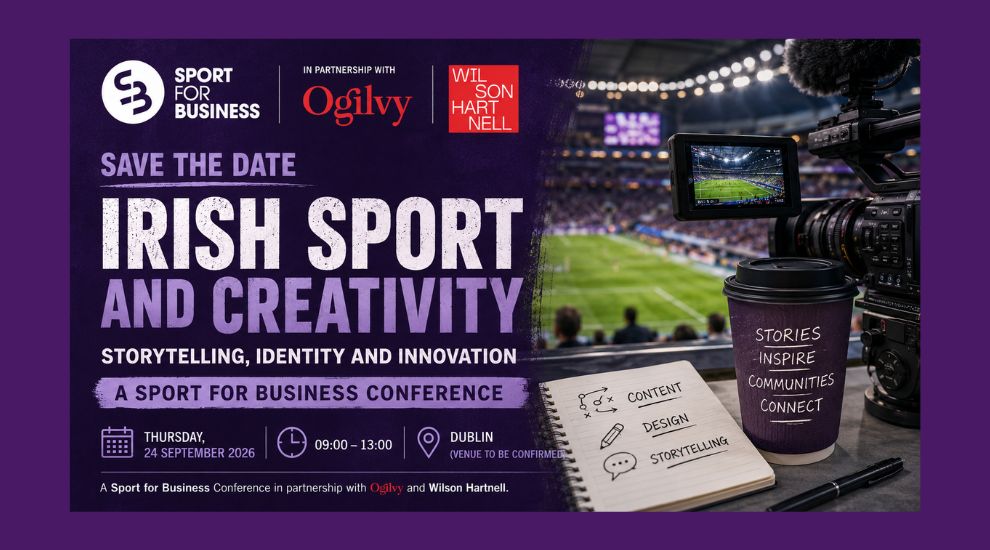
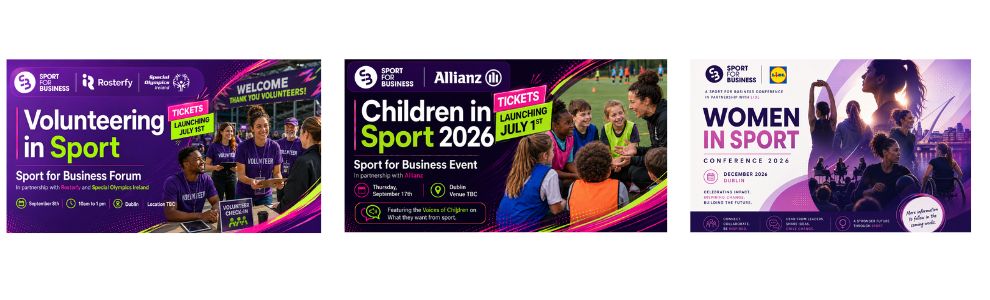
 If you would like to be part of the Sport for Business community and see your organisation in our content, on our stages, and in the conversation happening every day around the commercial world of Irish Sport, email us today and let’s see what is possible.
Image Credit: Gymnastics Ireland
ABOUT SPORT FOR BUSINESS
Sport for Business is Ireland’s leading platform focused on the commercial, strategic and societal impact of sport. It connects decision-makers across governing bodies, clubs, brands, agencies, and public institutions through high-quality content, events, and insights.
Sport for Business explores how sport drives economic value, participation, inclusion and national identity, and how your story can be part of ours.
Through analysis, storytelling and convening the sector, it helps leaders understand trends, share best practices, and make better-informed decisions. It positions sport not just as entertainment but as a vital contributor to Ireland’s social and economic fabric.
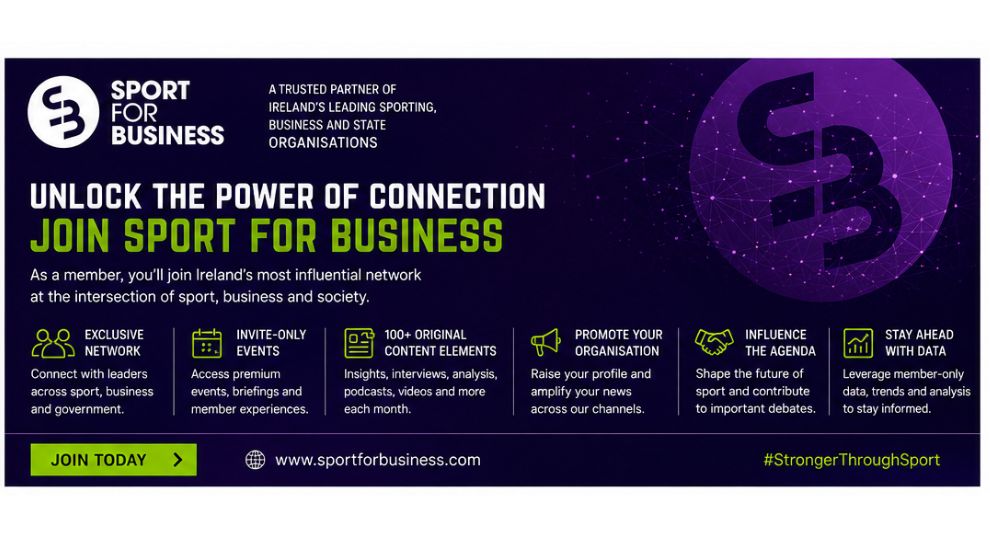
Find out more about becoming a member today.
Or sign up for our Daily Sport for Business Snapshot email bulletins to get a flavour of the material we cover.
Sign up for our News Bulletins here.