Irish Olympic and aspiring Olympic athletes would like to see a relaxation of IOC Rule 50 to allow for considerate protest. Trying to define the limits of what that is though will likely prove challenging.
The Olympic Federation of Ireland Athletes’ Commission, following a two-part consultation with Irish Olympic and aspiring Olympic athletes, are calling for a relaxation of IOC Rule 50 to allow for considerate protest if it can be carried out in a manner that does not detract from the experience of other athletes nor impact on the timing and running of events.
Political protest has always been a factor in sport with such a large guaranteed and global audience. The images of Tommie Smith and John Carlos raising their fists in support of Black Power at the 1968 Olympic Games are some of the most iconic in sport.
“It was a cry for freedom and for human rights Smith said looking back 40 years after the event. “We had to be seen because we couldn’t be heard.”
Racist Chants
The protests at the time were greeted in the stadium by racist sneers and chants. They were different times.
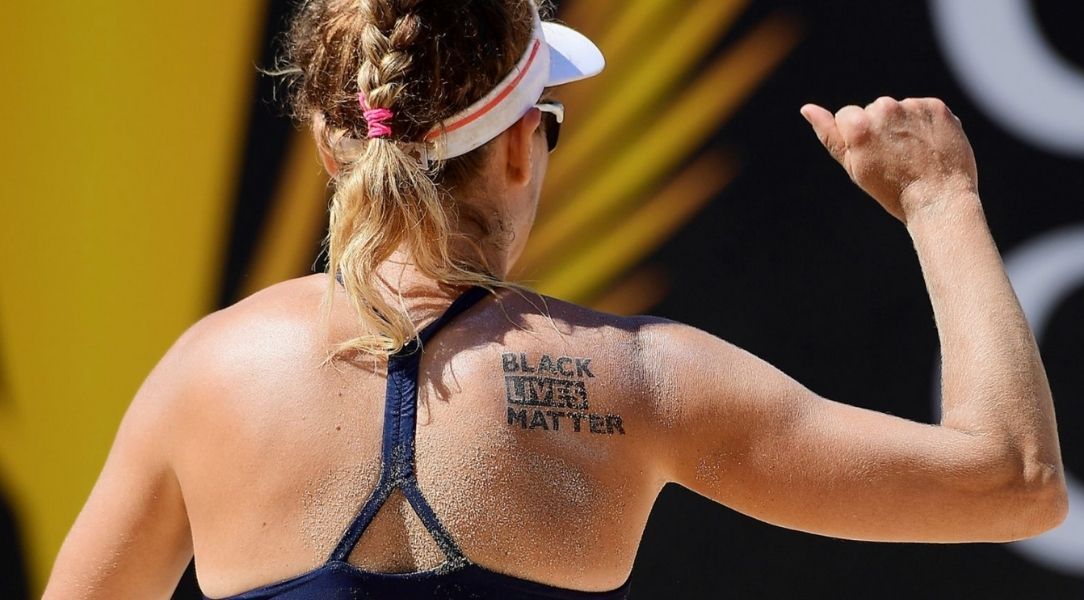
In 2020 athletes are more comfortable in protesting on behalf of Black Lives Matter in particular with the ‘taking of a knee’ now common across many high profile events that would have thrown out fines and sanctions a few short years ago.
The FAI was fined €5,000 by FIFA in 2016 for wearing a commemorative badge on shirts in a game against Switzerland. That same year the FA in England were fined nearly €40,000 for wearing Poppy armbands. At Wembley tonight though, only 24 hours after Armistice Day, the English team will be allowed to wear them if they choose.
Across the world from the Premier League to the NBA Playoffs, and the starting grid of Formula 1 to almost every major sporting event, protest has become part of the timetable.
One man’s freedom fighter is another man’s terrorist as the saying goes though and the definition of protest will likely cause much concern.
Systemic racism is clearly acceptable and necessary to rail against. But what of civil wars and accusations in countries that we may have little knowledge of?
Currently, the IOC AC guidelines for Rule 50 allow for athlete opinions to be voiced during press conferences and interviews and on digital or traditional media however it is noted that expressing one’s views is different from protest and demonstration.
“We recognize that there are challenging circumstances surrounding Rule 50 – it is clear that athletes are becoming more engaged in issues that affect athletes and society as a whole however we must also recognize that simply abolishing Rule 50 could have negative consequences which we feel should be avoided,” Said Athletes Commission Chair Shane O’Connor.
Difficult
“We acknowledge that finding the right balance for what could be termed ‘considerate’ protest will be difficult but we believe it is incumbent on the IOC to reconsider Rule 50 and find that balance which meets the needs of athletes without detracting from the Olympic values or creating a negative impacting on athletes and spectator’s games experience.”
The OFI Athletes’ Commission has welcomed the consultation process to be run through the IOC Athletes’ Commission and will be establishing a working group led by OFI and EOC Athletes Commission member David Harte, which will include Olympians and aspiring Olympic athletes, to engage through the IOC Athletes’ Commission consultation process.
In addition, the OFI Athletes Commission will engage with the OFI for an official position on protest to ensure at a minimum absolute clarity for Irish athletes in advance of the Tokyo Olympic Games.
It promises to be an interesting debate.
Sport for Business Partners
[logo_carousel_pro id=”51608″]