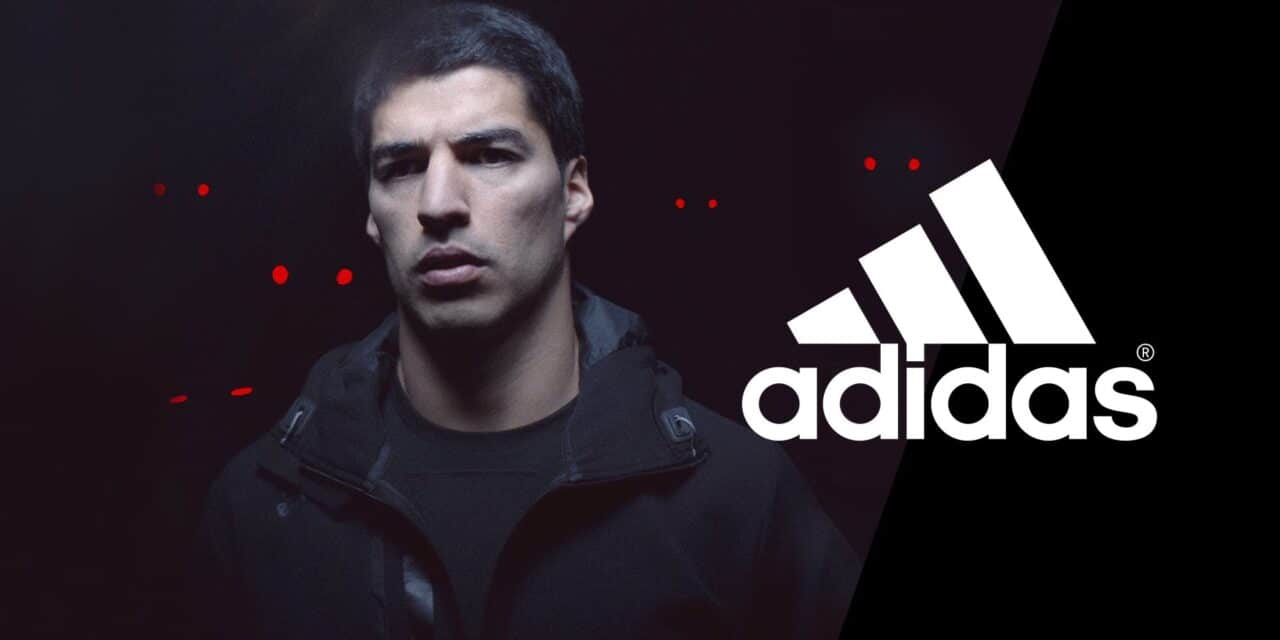
Luis Suarez has been banned from all football activities for four months after the biting incident on Tuesday at the World Cup forced FIFA into disciplinary action. Given the amount invested in brand ambassadors as part of sponsorship and marketing campaigns we asked this week’s Friday Forum of Sports Marketing experts from within the Sport for Business community to take a look at what is important in deciding on an ambassador…
The panel this week is Stephen Quinn from Atomic Sport, Joanne O’Sullivan from Pembroke Communications, and Enda Lynch from Munster Rugby. This is what they had to say…
 What are the three most important qualities in your opinion for an effective brand ambassador?
SQ:
1. A genuine interest in the brand or product they’re endorsing;
2. Personal values that align with the values of the brand;
3. An ability to engage with audiences (public, customers, media, staff)
JO’S:
1. Credibility for me is absolutely key. The ambassador and the brand need to be a really good fit. The ambassador has to embody some of the brand’s qualities and share its values in order to act as a genuine spokesperson. Consumers are incredibly savvy and they can clearly see when a celebrity is a genuine fan of a brand versus a hired hand.
2. Self-assurance: A sports star may be the most confident person on the pitch but have a crisis of confidence when you put them in front of media, TV cameras or a bunch of over eager fans at an open training session. To really work for a brand the ambassador has to be confident in their abilities to act as a brand ambassador. For brands that are working with younger / first time ambassadors I think it is really worthwhile investing some time in working with their management to help them with their interview techniques and set guidelines around social media. It is an extra to do for a brand but you will reap the rewards when you have an ambassador who is feeling more confident and ready for the task ahead.
3. Enthusiasm: We have all worked with personalities who were willing to turn up for a photo opp and not a lot else. Brands are expecting a lot more of ambassadors these days. You have to engage a brand ambassador that buys into the brand and the campaign and is genuinely willing to do the activity that is required. Whether it’s a TV ad, media day, photocall, social media or work place visit, the ambassador has to understand what they are signing up to and do it with a smile.
EL:
1. Professional in their conduct on and off the pitch.
2. Communicative – able to engage with senior business leaders, media and customers with equal ease.
3. Popular – do your research before you engage with the athlete. Are they popular, will the public engage with your new ambassador? If not, the investment is much harder to work.
 Is it the image or the engagement that is more important?
JO’S: This is a bit of a cop out but I think both! The ambassador’s image is very powerful and important for a brand, but it is the level of engagement an ambassador has with the brand that creates a really special partnership. Gary Lineker and Walkers is a great example, he has fronted a very effective advertising campaigns for them for the last 20 year but it is the PR stunts and his engagement with the brand on Twitter that really cements the partnership.
EL: Engagement, particularly in the digital age we now work in.
 Does the engagement in social media need to be real or can it be effectively run by a professional team?
SQ: Posting should always be done by the Athlete. Strategy and social campaigns should be done by professionals.
JO’S: It is so much more impactful when it is run by the ambassador themselves. Fans are connecting with ambassadors on social media so they can get the a real insight into that person’s life. They want to see their real personality, get the “behind the scenes” access and see things from the particular individual’s point of view. Of course a brand should be utilising their ambassador’s social media channels but it needs to be done in a credible way that is true to the ambassador. Any social media activity should be designed in conjunction with the ambassador to ensure that they are comfortable with it and it reflects their own opinions/beliefs. Fans can see through posts that have been written by third parties which damaging for both the brand and the ambassador.
EL: It must be real. The customer will see through it otherwise. Digital customers are very reality savvy – they follow you for the deeper insight they may gleam from you – not what brands you are pushing or what position you are in after a round of golf.
Is there a material difference between stars of an individual sport and those involved in a team?
SQ: Athletes in individual sports tend to be less conscious about their peers opinions. Athletes in teams often approve or reject activation ideas based on what will happen in the dressing room post launch.
EL: None. A star is a star when it comes to individual endorsements. They don’t have to be with a team for it to work.
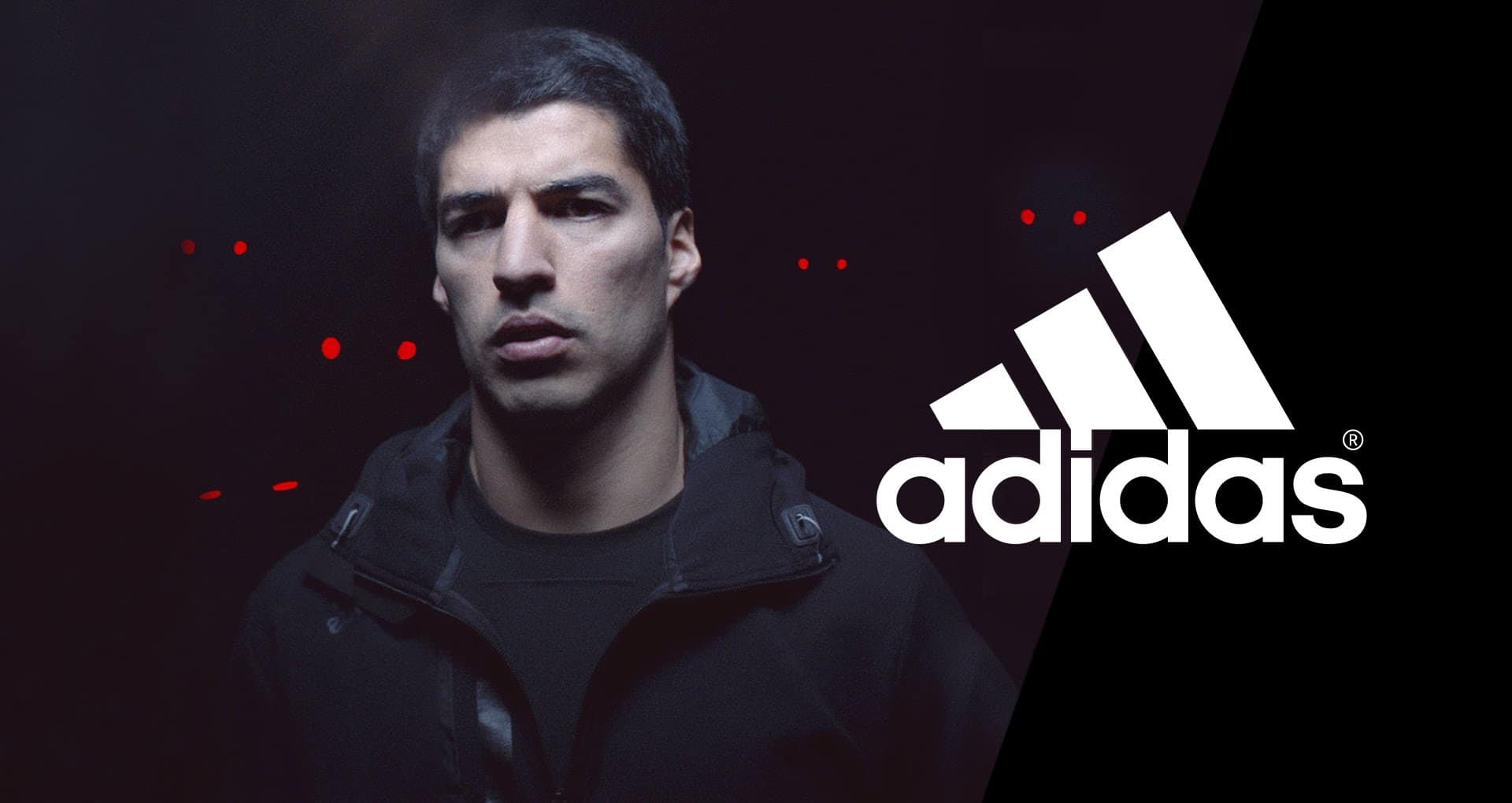 If you were advising Adidas on its relationship with Luis Suarez this week what course of action would you have put forward on the night, and over the following 48 hours?
SQ: Do nothing. The Suarez incident was bizarre but the unpleasant reality is that athletes that perform on the field for their country, team or sponsor are forgiven very quickly as long as they keep performing. Not comparing like for like but when Beckham was sent off in the 1998 World Cup everyone said his career was over. But he performed on and off the pitch subsequently and has one of the biggest sporting personal brands in the world today.
EL: Adidas are great supporters of Munster Rugby and I’m sure they will make the right call on how to handle this.
Think you would be able to offer a fresh perspective? The Friday Forum will be a regular feature. Contact us today if you would be interested in contributing your thoughts on the issues of the day between sport and business.