The psychology of a referee is something of a paradox. The ideal performance is one where the game is played and you are hardly noticed. But the ideal profile for a ref needs to include the willingness and desire to be at the centre of events and to play a key role.
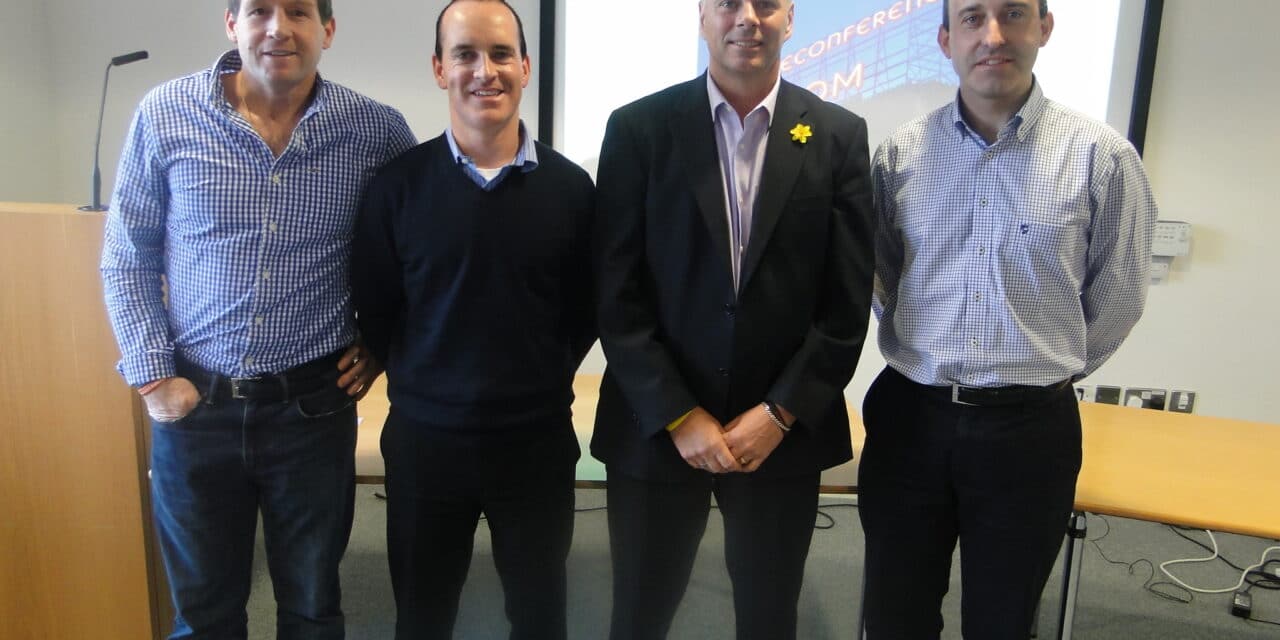
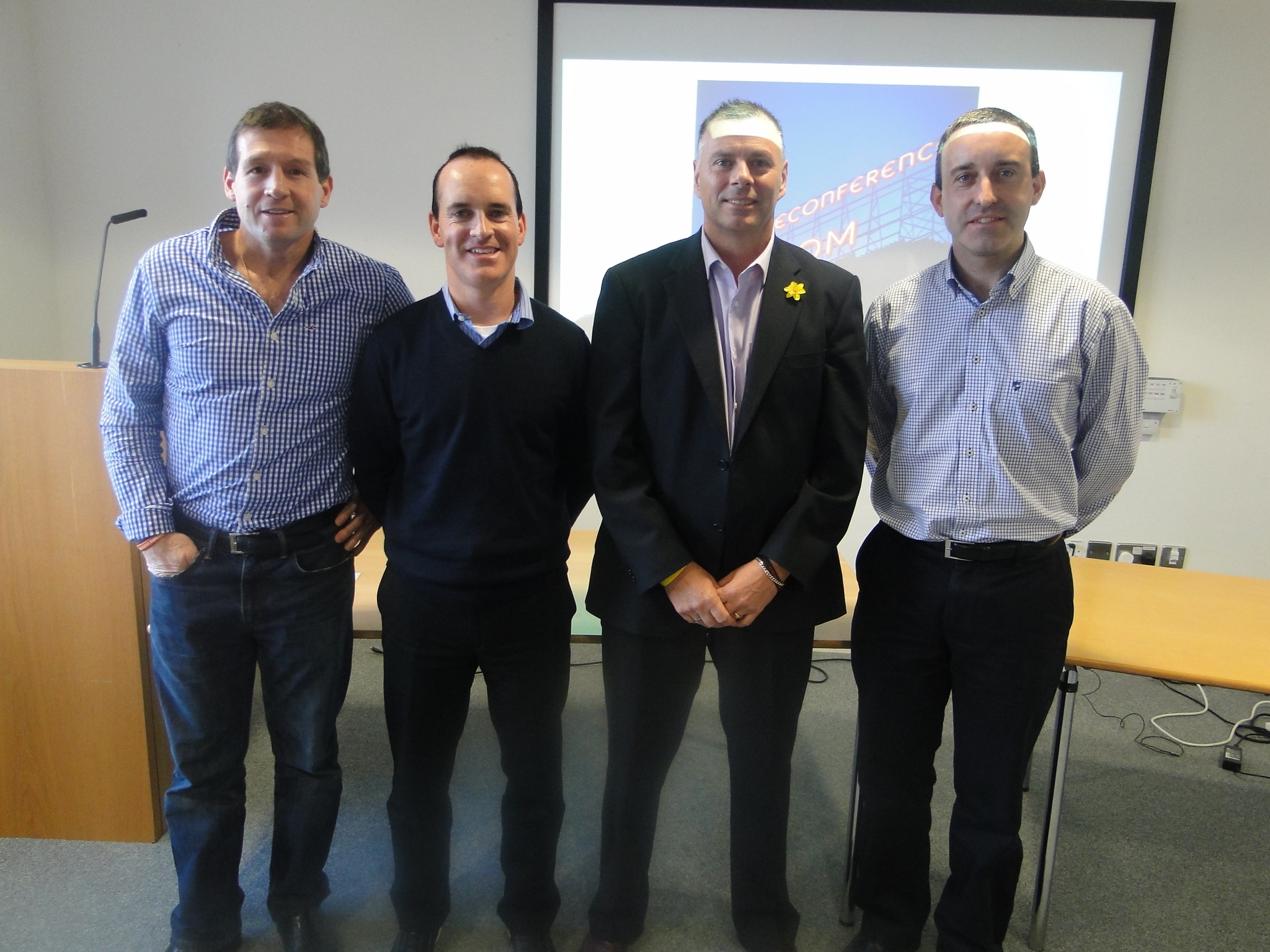
On Saturday we were privileged to be part of the first ever cross sport referee conference to take place in Ireland.
Organiser Conor Fitzgerald knows what it is like to wear the black uniform and he had pulled together a fine panel of speakers in front of a knowledgable and appreciative audience.
Intensity
It is often said but rarely fully accepted that sport at the highest level has an awful lot more that is the same than is different. The intensity, the preparation, the result hinging on one split second and this day for the whistlers proved the common ground.
Alain Rolland has refereed at the highest level, including in the Rugby World Cup Final of 2007 and his way to prepare for the heat of battle was to visualise incidents and his reaction during his own physical training, waiting until his heart rate hit 180 so as to recreate the likely adrenalin and intensity of when he would be making calls for real.
“You have to prepare for the technical side of the rules but just as importantly you need to be in command of your communication,” he said.
“Know and make it clear what you are saying, to whom, using what gestures, and with what intention.”
Rolland also questioned the influence of technology and how too much power now rested with video replays. “We should take back the power to make decisions on the field of play and not simply relax into the comfort of a third official in the sky.”
A suggestion that teams be given one ‘challenge’ per game, and so invest themselves in the decision process like in american football or tennis was welcomed by his fellow speakers in a panel discussion but when put to the floor of the conference was overwhelmingly thought to be a step in the wrong direction.
Bounce back
Mark Halsey flew over from England to be part of the day. He has refereed at the top level of the Premier League and done so again after bouncing back from throat cancer and a year out of the game through operations and chemotherapy.
His journey gives perspective to the challenge of getting it right on the pitch in a game of football and his exhortation to keep the fun in the game with a smile was warmly received.
Within Gaelic Games David Coldrick and Barry Kelly were open and honest about the way in which they handle games.
Coldrick in particular spoke most about his missing the decisions to penalise properly fouls by Cork’s Michael Shields and Down’s Conor Maggin in big games over the last three years.
“You cannot let those decisions overwhelm you for the rest of the game.”
“It’s one moment. I knew I had the Cork incident wrong because it was replayed on the big screen, but I had to put it to one side.”
Concentration
“Concentration on the next move, the next incident, has to be crystal clear, even when you make a poor call through being unsighted, in just the wrong position or for whatever reason.”
The conference was topped and tailed by motivational ultra runner Gerry Duffy and Professor Aidan Moran, Ireland’s pre-eminent sports psychologist.
Duffy, who had his epiphany moment after seeing himself at the age of 26 in a photo with Seve Ballesteros and realising he was an overweight smoker, then went on to run 32 marathons in 32 days and win Britain’s first Deca endurance race which included cycling for 1800 kilometres, running ten marathons and swimming a similar distance.
He spoke about writing down 20 things we do on a regular basis, identifying the three or four that are most important and concentrating on them with a laser focus to get better one step at a time.
Moran brought the day to a close with a whistle stop tour of why concentration matters and how it can be trained to focus on the right things.
“Your concentration is like a mental spotlight, always on but needing to be on what you can do right now, not on what might happen in the future.”
He highlighted attitude, concentration and thinking constructively as being the three core elements of mental toughness.
 The Referee Conference was hosted by Rob Hartnett of Sport for Business and organised by Conor Fitzgerald. There are plans to come back bigger and stronger in 2016 now that an appetite for such a gathering has been proven. If you would like to know more or be involved as a delegate, speaker or sponsor contact us today and let us know.