We are more physically active than we were before the Covid 19 disruption to our lives, but we are being so in a more solitary fashion.
Those are the key findings of the Sport Ireland Irish Sports Monitor 2021 Quarter 1 report, published yesterday.
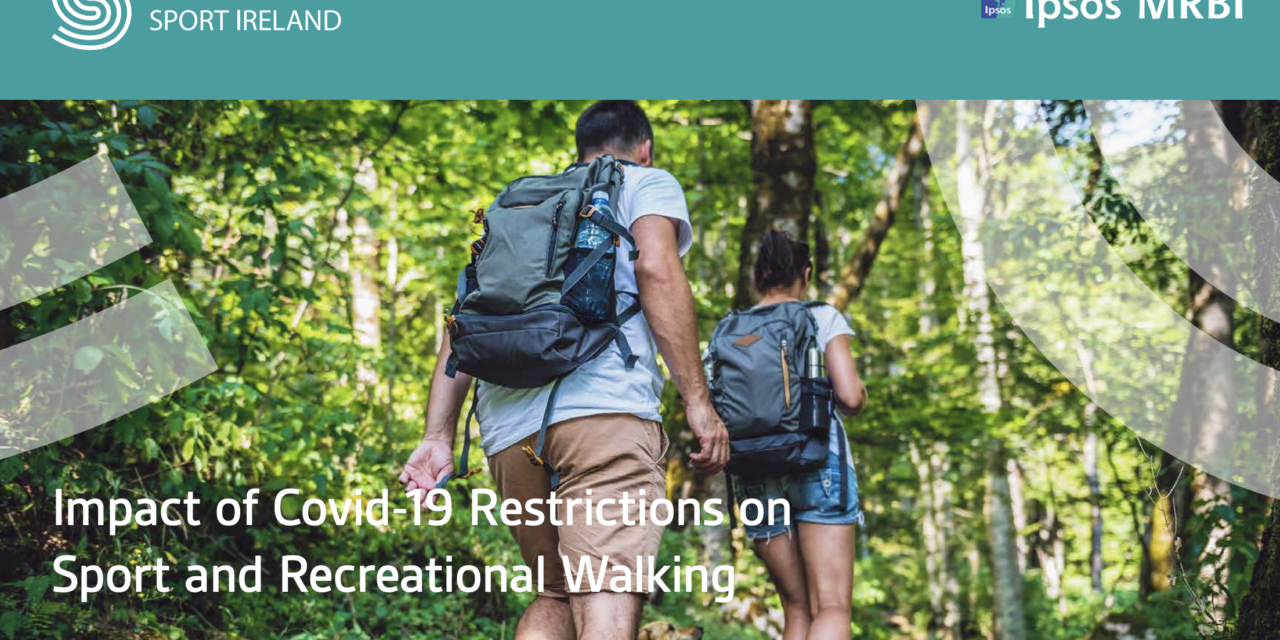
The research examined the impact in particular of Covid-19 restrictions on Sport and Recreational Walking in the period January – March 2021, comparing the results to the same period in 2019 and equivalent studies undertaken during the Covid-19 restrictions.
The number of adults walking for recreation is up from 65 per cent in 2019 (the most recent Irish Sports Monitor report) to 76 per cent in Q1 2021. This figure however is down from the all-time high of 80 per cent during April to May last year.
Running and cycling have experienced similar fluxes, with the report showing an increase on the same period in 2019 but a decrease in participation levels from those seen in the early stage of Covid-19 restrictions last year.
The release of the research findings coincides with the publication of Sport Ireland’s Participation Plan 2021-2024 – Increasing Participation in Changing Ireland.
The Participation Plan outlines how Sport Ireland will continue to help people get active by removing barriers to participation in sport and physical activity in the coming years. This will be delivered through Local Sports Partnerships, National Governing Bodies, strategic partners, clubs, communities and individuals. We will take a closer look at the plan on Sport for business over the coming days.
“It is heartening to see the number of people walking is significantly ahead of 2019 figures and has remained so throughout the restrictions,” said Minister for Tourism, Culture, Arts, Gaeltacht, Sport and Media, Catherine Martin.
“The reduction in sports participation is a concern but I am confident that this will improve as we see the gradual reopening of facilities over the coming months. This optimism is reflected in the 89% of respondents who say they will return to the activity they gave up as a result of Covid-19.”
“The long term plan to increase participation is addressed in the comprehensive Participation Plan. The Programme for Government set new and ambitious objectives for sport, most notably an increase in the participation goals from 50% of adults regularly playing sport to 60% by 2027. The launch of the Plan today is a huge step towards achieving those targets. As we start to see the gradual return to sport with outdoor facilities re-opening and children returning to training, we must all continue to make sport and physical activity a part of our daily lives”.
Equivalent research undertaken by Ipsos MRBI during Covid-19 restrictions found that rather than giving up on sport and physical activity, the people of Ireland adapted their behaviours and took up new sports and activities.
Last year, declines in indoor sports, team sports and organised sport due to imposed restrictions were offset by unprecedented increases in outdoor activities such as running, cycling and recreational walking as well as home-based personal exercise and weight training.
However, today’s report, covering the period January to March 2021 shows those gains made in those areas have receded.
Sports participation decreased to 35 per cent – the lowest level since 2007. This contrasts with one of the highest levels of sports participation recorded of 47 per cent in the same time period of 2019.
The decrease was seen across all age groups and in both genders, but can be explained by the lack of opportunity caused across so many of the most popular forms of activity from teams sports to swimming and the gym.
The speed at which sport can bounce back into people’s lives will be the key metric to follow over the next twelve months.
44 per cent of respondents reported having given up one or more sports or physical activities due to Covid-19, though on a positive note 89 per cent of them say they plan to go back.
“Throughout the pandemic we have acknowledged the important role that sport and physical activity plays in all our lives, benefitting our physical health and mental wellbeing,” said Minister of State for Sport Jack Chambers.
“Today’s research highlights the resilience of the people of Ireland and their commitment and flexibility to maintaining active lifestyles, even in the face of a global pandemic. On a positive note, as during the first period of restrictions, the gender gap in participation has been eliminated with equal proportions of men and women participating in sport.”
“I am happy to see the release today of the ambitious plan to increase participation in the long term and also to address the huge impact that Covid-19 has had on sport participation over the past year. The comprehensive actions outlined in the plan are underpinned by the commitment of Government to double the annual investment in sports participation by 2027 as set out in the National Sports Policy. This investment will provide security to LSPs and NGBs to drive the increase in participation. The vision of creating a country where everyone can regularly enjoy taking part in sport and physical activity for life is one that is shared not only by Sport Ireland and the Department but also the many stakeholders and organisations who will support the delivery of the Plan over the coming five years”.
Join us later this week when we will be looking in detail at the Sport Participation Plan for the next four years.
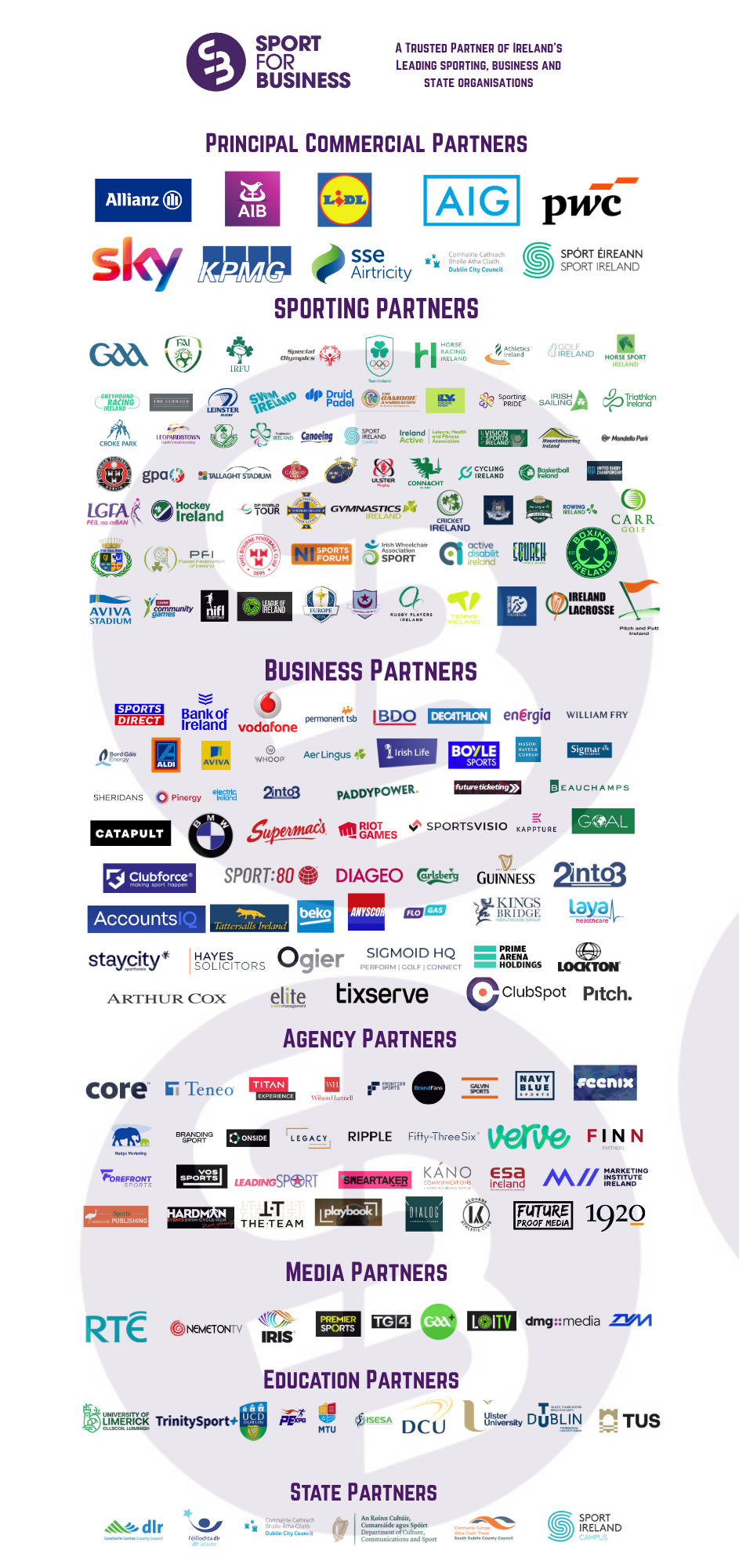
Sport Ireland and the Department of Tourism, Culture, Arts Gaeltacht, Sport and Media are among more than 250+ members of the Sport for Business network of sporting and business organisations working together across a number of key areas.
Sport for Business Partners
[logocarousel id=”56327″]