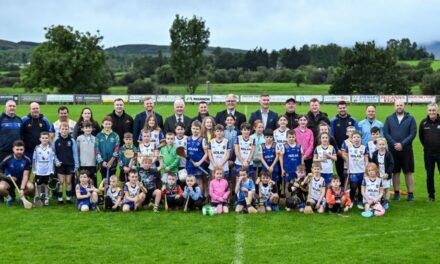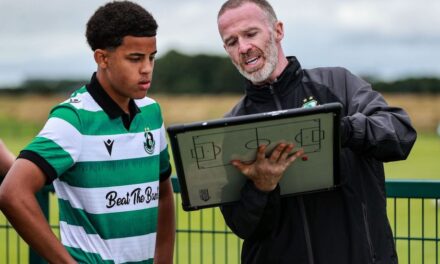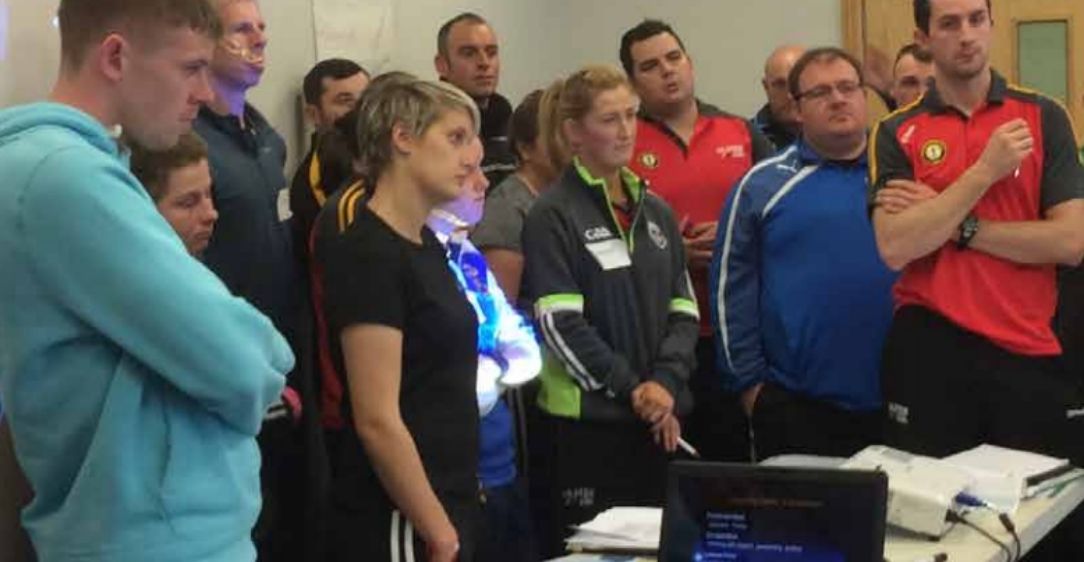
Volunteer coaches in Gaelic games are devoting an average of seven and a half hours each week to the sport, and that number rises to over nine hours at the peak of the season.
This high level of commitment probably understates the amount of time that goes into thinking about sessions and games but is nonetheless a statement on the level of engagement that goes into sport at a grassroots level.
The number is one of a fascinating range of insights to emerge this morning from a major coach development survey undertaken by the GAA, LGFA and Camogie Association.
The findings of Coaching and Coach Education in Gaelic games: a benchmark report have been published today. It has been supported with assistance from the education sector with UCC, Mary Immaculate College, DCU, UCD, Ulster University, IT Sligo and the University of Georgia all contributing.
10,000 Coaches
Over 10,400 coaches took part in the survey. They were predominantly male (79 per cent), aged between 25 – 54 (85.7 per cent), and experienced, with 89.8 per cent having more than 5 years of coaching experience.
They are an active cohort with 39.8 per cent coaching two or more Gaelic games codes. A significant majority of coaches engage in coaching on multiple days each week (78.3 per cent).
In terms of time spent, coaches are spending on average seven and a half hours a week on their commitment to coaching – which can rise to on average an additional nine hours on match weeks.
Almost two-thirds of coaches (63.1 per cent) intend to continue coaching for the foreseeable future (more than two years), with just 2.5 per cent declaring that they do not intend to continue coaching.
Commitment
The most prominent challenge that they saw in terms of longer-term commitment was ‘Balancing Coaching with Other Demands’ (73.8 per cent), while approximately one-third of respondents mentioned either Poor Games Opportunities/Structures (28.3 per cent) or Scheduling of Competitions (35.4 per cent) as challenges facing coaching.
It should be noted these responses were made before the GAA’s move towards a defined split season between inter-county and club activity.
An overwhelming majority of the respondents consider future learning to be important to their coaching (94.6 per cent), with 71.2 per cent of respondents ‘Quite Likely’ or ‘Extremely Likely’ to undertake some form of coach education in the next 12 months.
“The LGFA was delighted to collaborate with the GAA and Camogie Association on this significant coach development survey,” said Lyn Savage, National Development Manager at the LGFA.
Pathways
“The findings come at an exciting time for coach development in Gaelic Games, following the recent launch of our new player pathway. This report will provide an invaluable insight into the coaching workforce as we embark on the development of a new Gaelic Games Coach pathway.”
“Coaches play an integral part in the development of our players and it is imperative that the appropriate support is in place to meet their needs, to enable them to complete their role effectively. This was a huge body of work that will help shape the future of coach education and development across the Gaelic Games family.”
“For the first time, the Gaelic Games Coach Survey provided a unique opportunity for coaches within all three Associations to provide an insight into their role, and their needs,” added Louise Conlon, Camogie Association Technical Development and Participation Manager.
“With 10,647 respondents, it makes it one of the most comprehensive coaching studies ever undertaken.”
“The findings provide us with detailed information on coaching ‘workforce’ to inform the development of coaching policies moving forward.”
Calibre of people
“This survey has painted an important picture not only of the impressive scale of the work being done by volunteer coaches supported by our Coach Developers – but also in showing the calibre of people we are fortunate to have dedicating their time and effort for the promotion of Gaelic games at all levels,” concluded Shane Flanagan, GAA Director of Games Development.
“Their passion for coaching and education and their thirst for knowledge and best practice presents us with a challenge to ensure that our volunteer coaches feel they are supported, valued and we serve their needs.”
“Working in conjunction with the Gaelic Games Player Pathway, this report will allow the GAA, the LGFA and the Camogie Association to develop and deliver for our coaches a new Coach Development Framework that focuses on enhancing coaching skills to support the development of our players. I want to join with our sister organisations in thanking all of those who assisted us in conducting this research, and also our third-level partners for their invaluable support and analysis.”
The full report can be downloaded here.
Sport for Business Perspective
This is a comprehensive and fascinating insight into coaching at all levels. The report runs to 78 pages but anyone who is involved in sport will be drawn in by the insight it offers. The highlighted comments from focus groups on the questions parents ask and the detail that goes into making sure that a session or a match takes place will be easily recognised as being pretty much universal.
“A powerful and influential network of information and collaboration”

Download our latest membership brochure here.
Sport for Business Partners
[logocarousel id=”56327″]