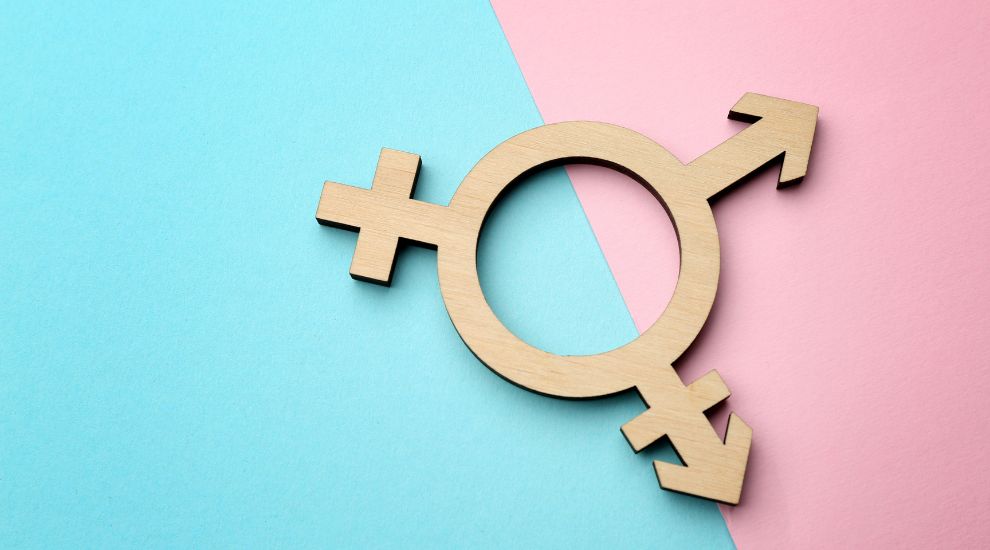
It has been one of the hot topics of the summer and the Scottish Government is the latest to rule on the inclusion of trans athletes in sporting competition.
It has rejected a call from a non-binary working group featuring representatives of LGBT Youth Scotland and the Scottish Trans Alliance that sporting organisations should allow people to participate based on their chosen identity and that to exclude on any basis of gender identity risked ‘closing down rather than opening up sport to everybody’.
Sport was only one part of the group’s report on increasing the access of trans people to services and one of the few recommendations not to be accepted.
Instead, the Government has chosen to adhere to the UK Sports Council policy of individual sports creating rules for their own events and encouraging Trans athletes to participate in ‘open or universal’ categories where the physiological differences in terms of potential performance might be less.
Cycling Ireland and the IRFU are two of the Irish sporting organisations that have a stated policy on Trans athletes. Both have a registration requirement as well as a number of requirements with regard to testosterone levels over a 12-month period prior to starting in competition.
Sport Ireland launched a new Diversity and Inclusion policy in May of this year with the vision of creating “A sport sector that celebrates diversity, promotes inclusion, and is pro-active in providing opportunities for lifelong participation for everyone.”
It references research on LGBTI+ participation in sport but does not include any specific advice or recommendation on Trans athletes.
It is an area where there is discomfort and some firmly held views and while it only accounts for a small majority of those transitioning for multiple different reasons, it is likely to continue to create interest, not all of which is positive, and put sport on the front line of a very sensitive subject.
Sport for Business Partners
[logocarousel id=”56327″]