When This Girl Can first burst onto British screens in 2015, it changed the conversation about women, movement, and visibility in sport. The campaign’s raw, sweaty, and unapologetically authentic images of women exercising, with thighs jiggling, faces flushed, and smiles unfiltered, were a deliberate break from the airbrushed perfection of fitness advertising.
It struck a chord. Millions of women reported feeling more confident about being active, and the campaign went on to win awards and inspire similar initiatives worldwide.
It was a key part of the Sport for Business conversation around raising the bar for Women’s Sport in every way and was an early inspiration for campaigns like Sport Ireland’s ‘Her Moves’.
A decade later, the challenge is different but no less urgent. Research from Sport England suggests that a substantial number of women remain inactive in physical activity.
Black and South Asian women are significantly underrepresented in images of sport. Disabled women, older women, pregnant women, and those on lower incomes are underrepresented in gyms, adverts, and community programmes.
Only about one in ten women from these groups say they feel they “completely belong” in the world of sport and activity.
This week, Sport England relaunched This Girl Can with a new campaign called We Like the Way You Move. Its ambition is to help those women who still feel unseen and unwelcome find their way into activity. And once again, the way in is through visibility.
Movement, Not Perfection
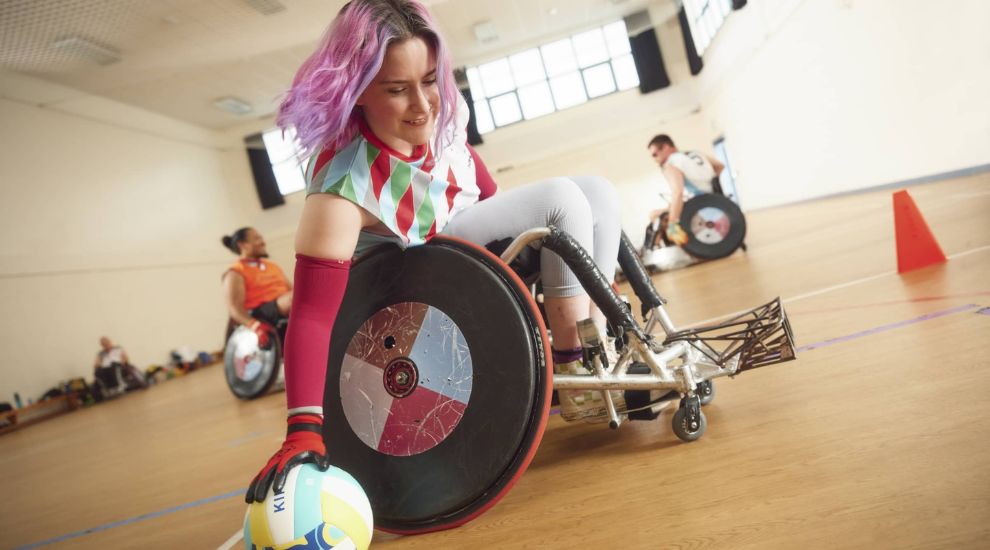
The new TV advert doesn’t open with elite athletes or sculpted influencers. Instead, it begins in the ordinary: toast popping in a toaster, a woman dancing to music in her kitchen, a pregnant woman stretching gently, a family heading out for a bike ride. Then the scenes expand. Walking football. Wheelchair rugby. Boxing in a community gym. Yoga in a park.
The cast — 13 women from across England — are not professional models. They were street-cast to reflect the campaign’s mission of authenticity. Together, they embody a central message: movement doesn’t have to be polished, competitive, or Instagram-ready to be valuable. As the soundtrack — a reimagined version of BodyRockers’ 2005 hit “I Like the Way You Move” — builds, the slogan arrives: We Like the Way You Move.
Kate Dale, Director of Marketing at Sport England and the driving force behind This Girl Can, explains the choice. “A picture is worth a thousand words and our findings are clear: some women remain underrepresented in the physical activity spaces that should welcome them. If you don’t see yourself pictured, it’s hard to believe you belong there.”
Why Representation Matters
Visibility shapes participation. If women never see someone who looks like them in a sports hall, park, or advert, they are less likely to imagine themselves there.
The statistics are sobering. Women from lower income households are almost twice as likely to be inactive as those from higher income households. Disabled women are more likely to report barriers ranging from accessibility to confidence. Cultural norms still discourage many women of colour from taking part in organised sport. Add caring responsibilities, time pressures, and cost, and the result is a persistent participation gap.
That’s why this campaign is not just a piece of clever marketing, but part of a wider policy push. It dovetails with investment in community sport, outreach to underrepresented groups, and an insistence that local providers think differently about who they welcome and how.
A Campaign Beyond Adverts
We Like the Way You Move will roll out across television, radio, outdoor sites, digital and social media.
Crucially, it will also run in community media outlets, including in language and culturally specific channels, to reach women who may never have engaged with previous campaigns.
The creative agency 23red, which helped bring the campaign to life, framed the approach differently this time.
“Rather than defining women by demographic labels,” says managing partner Sharon Jiggins, “we talk about ‘our women’ — those who feel excluded from exercise for many reasons, with lack of representation and accessibility being two of the biggest barriers.”
It’s an attempt to make the campaign feel less like a lecture and more like an invitation.
The Bigger Picture
Since 2015, This Girl Can has been credited with helping over three million women and girls in England feel more confident about being active. But sustaining that impact requires constant renewal.
Part of the challenge is structural. Many women don’t just need motivation — they need time, childcare, transport, accessible facilities, and culturally sensitive environments. That’s why Sport England has paired the media campaign with ongoing grants to local clubs, targeted outreach, and training for leisure providers. The hope is that the stories women see on screen will be reinforced by real opportunities in their communities.
And there is momentum to build on. Recent years have seen a surge in women’s sport audiences, from packed stadiums at the Women’s Euros to record viewership for the Women’s Six Nations and WSL. Campaigners argue that grassroots activity must be part of this wider cultural shift — ensuring that the excitement at elite level translates into opportunity at local level.
A Call to Action
The new campaign closes with a simple proposition: whatever your body, your background, or your circumstances, there is a way to move that works for you — and it counts.
For providers, the call is sharper. Gyms, clubs, and community organisations are urged to change not only how they advertise but also how they operate: more inclusive programming, flexible schedules, family-friendly facilities, and a recognition that “sport” means many different things to many different women.
“This Girl Can has always been about honesty,” Dale reflects. “It’s about saying to women: we see you, we understand the barriers, and we celebrate every way you choose to move. That hasn’t changed. What’s new is making sure every woman — not just some — sees herself reflected in that celebration.”
Looking Ahead
The impact of We Like the Way You Move won’t be measured by likes or shares but by whether more women take the first step — or the first dance in their kitchen — towards moving more.
If history is any guide, This Girl Can will spark debate, encourage conversation, and nudge women who thought sport wasn’t for them to give it a try.
And if the campaign succeeds, the sight of a woman boxing in a headscarf, stretching through pregnancy, or dancing with abandon won’t feel unusual — it will feel normal.
Because ultimately, the goal is not to make women look like the world of sport. It is to make the world of sport look like women.
Image Credit Sport UK
Further Reading for Sport for Business members:
Check out more of our Sport for Business coverage of Women in Sport
SPORT FOR BUSINESS AUTUMN EVENTS

On September 25th we will host our Annual Children in Sport Conference,
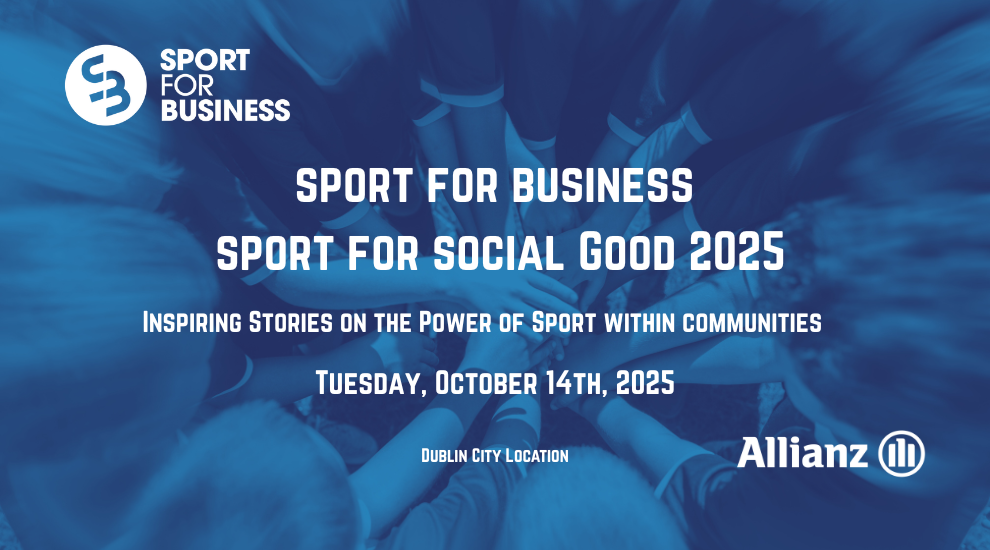
On October 14th, our Annual Sport for Social Good Event will shine a spotlight on good work being done through the medium of sport across the country.
Then in November a new event focused on Sustainability in Sport and in December our 12th Annual Women in Sport Conference, in partnership with Lidl.
Find out More about Our Sport for Business Events Programme Here
BOOK YOUR EARLY BIRD TICKETS FOR THESE EVENTS HERE
The Latest Sport for Business Podcasts
MEMBERSHIP AND EVENTS
All the leading sporting and business organisations in and around the world of sport are among the 300+ members of the Sport for Business community.
This includes all of the leading sports and sponsors, as well as commercial and state agencies, individuals interested in our world, and an increasing number from beyond these shores taking a keen interest in Ireland.
Find out more about becoming a member today.
Or sign up for our twice-daily bulletins to get a flavour of the material we cover.
Sign up for our News Bulletins here.