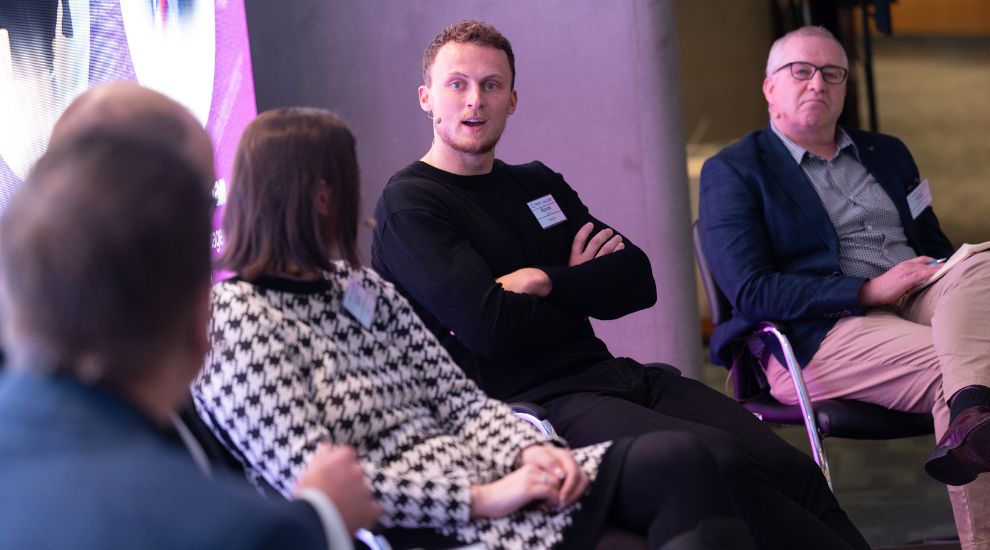
Rugby sponsorship often hits the headlines around the Six Nations or Rugby World Cup, but behind those marquee moments lies a network of long-term partnerships driving innovation, storytelling, and inclusion.
That was the message from a lively panel at Who Won Sponsorship 2025, moderated by Darragh Maloney, featuring Aoife Clarke (IRFU), Gerry Nixon (Vodafone), Ronan Jones (Whoop), and Philip Keenan (Suntory/Lucozade Sport).
For Clarke, the transformation of women’s rugby in Ireland has been both rapid and rooted in investment.
“The Rugby World Cup was a huge moment for us,” she said. “It had been eight years since we last qualified, but over the last two and a half years, since Scott Bemand came in, the programme has been transformed. Investment has grown from €2 million to over €9 million, and the stats coming out of the World Cup were phenomenal.”
That growth has also changed how sponsors view the women’s game.
“The players are open, engaging, and incredibly likeable,” added Clarke. “They go the extra mile with fans, both at games and online, and they understand how important that is for building their own brands and attracting partners.”
Vodafone and the Power of Connection
For Vodafone, that human connection is the heart of a nine-year partnership with the IRFU.
“We’re in a category that can be seen as everyday or boring,” said Gerry Nixon, Head of Sponsorship and Business Brand. “Rugby lets us talk to people on an emotional level. The IRFU’s integrity and trust made it an ideal partner.”
Vodafone’s long-running Team of Us campaign has evolved into a platform for inclusivity and connection. “It’s about saying this is a game open to everyone,” Nixon explained. “It’s lasted nine years because the truisms are still there — connection, teamwork, the sum of all parts. It aligns perfectly with our brand purpose of connecting people.”
That sense of authenticity extended to The Green Wave, the player-led identity that emerged from the women’s squad. “It started as their internal culture project,” Clarke explained. “When they were ready to share it publicly, we partnered with Vodafone to help tell that story for the Rugby World Cup.”
Nixon said the initiative resonated deeply. “It’s a marketer’s dream when something comes from the team itself. The women’s buy-in is phenomenal. They know they’re helping to grow the game, and we as sponsors need to reflect that. We can’t just be partners to men’s rugby — we need to help drive the women’s game too.”
Wearables and Storytelling with Whoop
Ronan Jones of Whoop described how the rise of wearable tech has transformed the sponsorship landscape.
“The product is evolving at a rate of knots,” he said. “We first worked with the British and Irish Lions on performance science, but this time, we brought it into storytelling — showing what players and staff experience on tour through data.”
Whoop also brought real-time heart rate tracking to golf’s biggest stage at the Ryder Cup. “We broadcast live player data — things like Rory McIlroy’s heart rate on the tee,” Jones said. “It’s engaging content, not traditional sponsorship. It helps fans connect emotionally, which is where real value lies.”
While live player metrics in rugby are still in development, Jones believes it’s inevitable. “It’s complex, but it’s coming. The key is player and team buy-in. Once that happens, it will transform how fans engage with live sport.”
Hydration, Ambassadors, and Grassroots with Lucozade Sport
Philip Keenan of Suntory spoke about the brand’s long-standing partnership with the IRFU. “We’ve been hydration partners since 2012,” he said. “We’re on the field every matchday, but we also activate in-store, digitally, and at grassroots.”
Keenan described how Lucozade Sport ensures parity between men’s and women’s rugby. “Everything we supply to the IRFU — from products to equipment — goes equally to both programmes,” he said. “We also invest in clubs to make them fit for female participation, because that infrastructure still needs funding.”
On ambassadors, he added: “We look for athletes who are relatable, authentic, and collaborative. We’re not after someone who just wants a paycheck. “We want our ambassadors to bring their own ideas, real authentic connection, and that’s what connects with consumers.”
Performance, Emotion, and Value
While team performance will always influence sponsorship metrics, Nixon said emotional connection is what sustains long-term value.
“When you look beyond the big tournaments, what matters is how fans feel,” he said. “We use TV for scale, but digital storytelling builds depth. The fundamentals are still awareness and emotion — if people don’t feel anything, they won’t buy anything.”
As Clarke concluded, everything, from grassroots investment to global broadcast partnerships, is now linked. “It’s all connected,” she said. “Fans, players, sponsors — we’re all part of the same wave. The Green Wave.”
Further Reading for Sport for Business members:
Adare to Dream – Selling the Opportunity of the 2027 Ryder Cup
Read our Sport for Business Coverage of Rugby
Sport for Business Upcoming Events
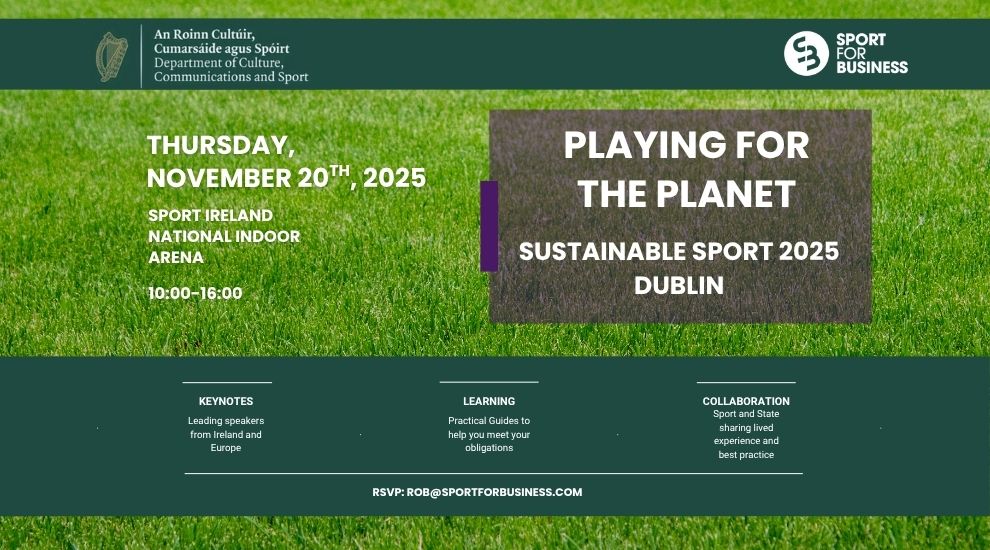
November 20th – Playing for the Planet – A new event focused on Sustainability in Sport with the Department of Culture, Communications and Sport
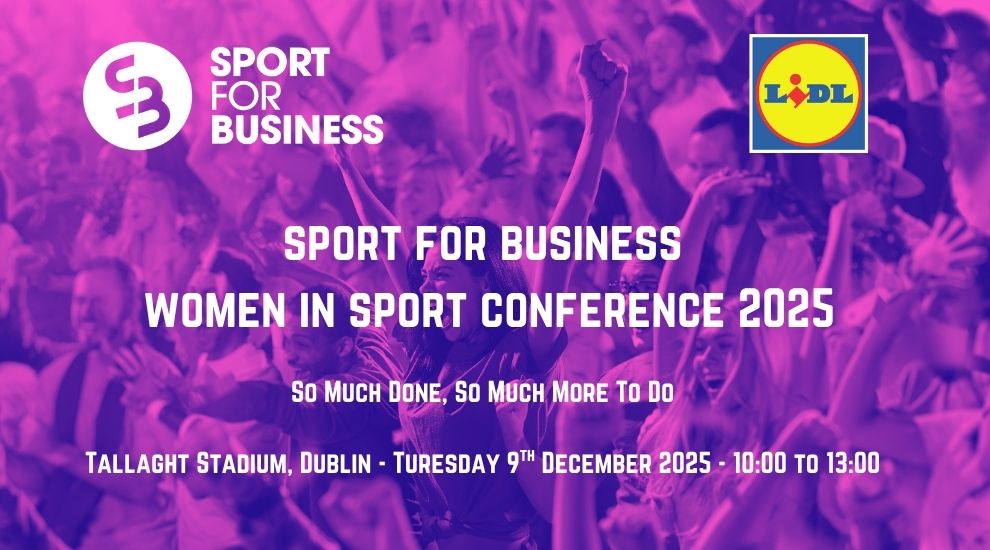
December 9th – Our 12th Annual Women in Sport Conference in partnership with Lidl.
January – The Sporting Year Ahead 2026 in partnership with Teneo.
Sport for Business Podcasts
MEMBERSHIP AND EVENTS
Vodafone, the IRFU, Whoop, Onside and the Marketing Institute of Ireland, as well as all the leading sporting and business organisations in and around the world of sport, are among the 300+ members of the Sport for Business community.
This includes all of the leading sports and sponsors, as well as commercial and state agencies, individuals interested in our world, and an increasing number from beyond these shores taking a keen interest in Ireland.
Find out more about becoming a member today.
Or sign up for our twice-daily bulletins to get a flavour of the material we cover.
Sign up for our News Bulletins here.