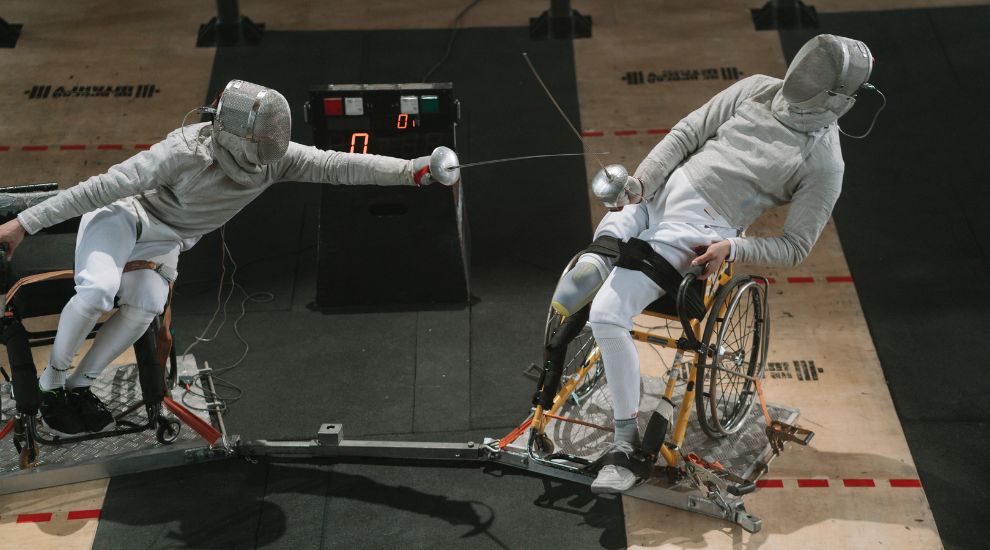
A new survey of Para Athletes in Ireland has revealed that 24 percent are educated to a Master’s degree level and that one in seven holds a doctorate
The Hays Ireland research also reveals though that 48 percent are currently prioritising elite sport over their careers and that 31 percent have missed out on a career opportunity due to their sporting commitments.
The report concludes that “Paralympians make huge sacrifices to excel in their chosen fields and need support as they transition from their sporting career into the workplace.”
Hays Ireland came on board this year as partners of Paralympics Ireland and a core element of their support is the provision of a professional career mentoring service for Para Athletes and of dedicated CV clinics and support with interview preparation to directly benefit athletes.
Mentoring
Mentoring was identified by 69 percent of the athletes as the professional career service that would most benefit their transition from sport into their full-time career when that time was right.
Time (86 percent) was the biggest sacrifice made by Paralympians to achieve their sporting goals. This was followed by personal relationships and their social life (72 percent).
66 percent have made financial sacrifices, while 45 percent have felt additional stress and pressure from competing.
 Those spending 15-20 hours a week dedicated to their sport are in the majority (35%). There was an even split (28%) between those spending 10-15 and 20+ hours. Just 10% spend 1-5 hours a week on their chosen sport.
Over half receive some funding from Sport Ireland (55 percent). However, over one quarter (28 percent) are entirely self-funded. One in ten receive private funding or have commercial sponsorships.
Transferable Skills
An interesting series of questions was based around whet the athletes themselves considered to be their most transferable skills.
76 per cent said that communication and goal setting were the most transferable. The ability to take feedback onboard, teamworking skills and leadership abilities were also identified as strong positive attributes.
76 per cent said that participation in sport helped them to grow their professional networks compared to 17 percent who did not believe this was the case.
With just under half (48 percent) of Paralympians in full-time employment and 21 percent working part-time while also juggling life as an athlete, finding the right balance can be tough.
31 percent said they find it difficult to balance life as an athlete with a full-time job. 14 percent reported being over-looked for promotions because of their sporting career, and 10 percent said they have failed to secure full-time employment that supports their sporting career.
45 percent of respondents said that time management – balancing their sport and professional commitments – was the biggest challenge when trying to navigate life as a high-performance athlete and that of a working professional or student. 32 percent noted that financial and logistic factors were key challenges.
Value
55 percent believe that their employers value their sporting achievements. 41 percent report being allowed additional time off to focus on sport, while over one-third (36 percent) can work flexible hours.
However, over one quarter (27 percent) do not receive any formal support but note that their colleagues are very supportive of their sporting endeavours. Only 14 percent said that their employers look to promote and champion their achievements, while 9 percent said their employers or colleagues are indifferent to them.
“This research highlights the challenges faced by our Paralympic athletes as they seek to both compete in the arena of high-performance sport and the professional world,” said Maureen Lynch, Operations Director at Paralympics Ireland.
“Their dedication, resilience and commitment to excellence are genuinely inspiring and are something that any professional environment can benefit from.”
“Paralympians make huge sacrifices to excel in their chosen fields and need support as they transition from their sporting career into the workplace. Hays Ireland is proud to support our Irish Paralympians on this journey and help them harness their unique attributes of drive, discipline, and focus in the next chapter of their lives.”
“The research clearly shows that Para Athletes sacrifice much in their pursuit of their lifelong dream.,” said Paralympics Ireland President Eimera Breathnach.
“Success in sport, especially high-performance sport, is not possible without sacrifice by athletes and those close to them. Para Athletes have extremely desirable skills for potential employers, and they are very well educated and qualified. We look forward to working with our partners in Hays to provide the athletes with the skills that can unlock their potential in the workplace in a similar fashion to the way the athletes deliver in the arena of competition.”