Saturday’s opinion column on the Lance Armstrong story has generated significant response from within the Sport for Business community. Most were in favour of the sentiment that there is no room in sport for drugs cheating of any description but others delved deeper.
Jason Lear, a sports performance analyst raised that the anti doping authorities themselves had serious questions to answer if the evidence now suggested was so deep rooted throughout the sport but had evaded detection all the way up until three years ago.
The Irish Sports Council is presently tendering for an information and communications programme around the education of athletes concerning drugs testing procedure and while it is vital that athletes understand what is and what is not permitted, there is also a case for keeping much of the ‘detection’ work and protocols under a very tight wrap.
Stories emerged over the weekend that some stars in cycling and other sports had inside information on when testing was going to take place and that this was used to help avoid detection.
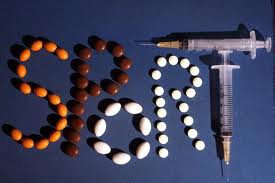
There is no doubt that doping is still a major threat to sports’ hold over our imagination and to the willingness of corporate sponsors to associate with high performance sport.
Glaxo Smithkline Beecham took a brave step to promote their involvement with the drugs testing programme at London 2012 through the use of high profile athletes, and while one gold medallist in the women’s shot putt did test positive and has been stripped of her medal, the overall feeling was that these games were much cleaner than might have been the case in the past.
It is though when the cameras are turned off and the relentless training kicks back into gear for another cycle of trying to shave hundredths of seconds of performances that the temptation to take short cuts is at its most alluring and we need to be certain that the authorities procedures are fit for purpose and able to secure a clean future.
Armstrong of course was never proven to have tested positive, and he showed no sign of going quietly over the weekend, competing in an exhibition race in Colorado and speaking to media afterwards about his wanting to move on now after dropping his defence against the USADA’s proposed case on doping. A number of sponsors have stuck by him and he still has a core group of supporters that see no wrong in his performances.
The next Sport for Business Round Table on Technology and Sport will touch on the subject of performance and drugs testing. It takes place at the National Yacht Club in Dun Laoghaire on Thursday morning, September 6th and a small number of places are still available.
View all the latest news on the commercial side of Irish sport
Find out more about how Sport for Business can be of benefit to you
Subscribe today for the free Sport for Business daily news digest
The battle against doping in sport