The opening of the new Sports Direct and Everlast Gyms centre on Henry Street represents a significant investment in Dublin city centre and the first Everlast gym of its kind outside the UK. Rob Hartnett spoke with Everlast Gyms Managing Director Dan Summerson about the Irish opportunity, the changing role of gyms, the influence of younger consumers and why the connection between fitness and retail could give the business a distinctive advantage.
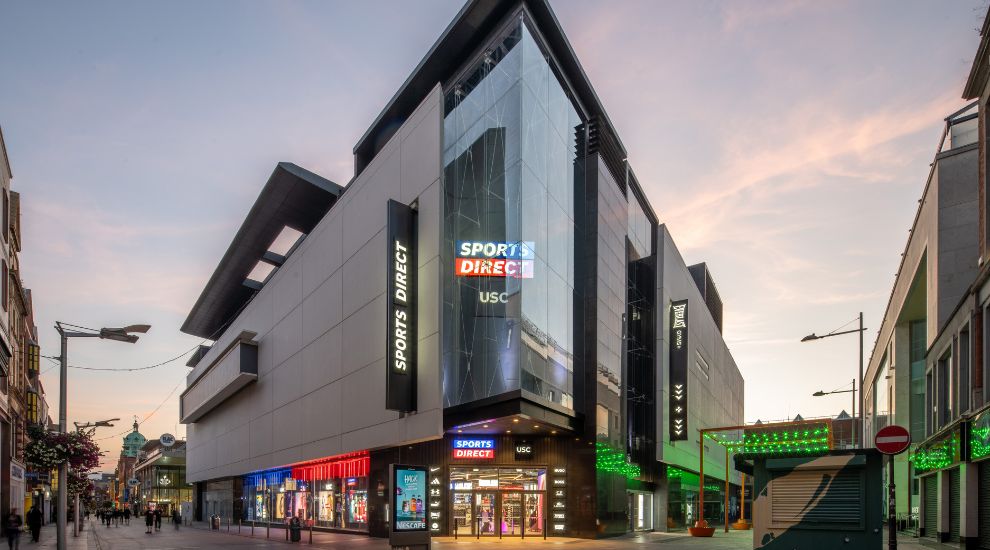
The doors opened at the weekend on one of the most substantial new additions to Dublin’s sporting and retail landscape.
Located within the redeveloped former Debenhams building on Henry Street, the new Sports Direct and Everlast Gyms + centre combines a major sports retail destination with a large-scale fitness, recovery and social space above it.
Members enter through Sports Direct and travel upwards through the store to reach the gym, creating a direct physical and commercial connection between the two parts of the Frasers Group business.
It is a model already deployed in Gateshead and Liverpool, but Dublin represents a significant next step. This is the first Everlast Gyms + facility of its kind outside the UK and a statement of intent about the potential of the Irish fitness market.
The gym includes an extensive strength and conditioning floor, studio and class spaces, recovery facilities, ice baths, a café and working area, and what Everlast says is Ireland’s first HYROX Performance Centre.
Rob Hartnett: Dublin is the first location outside the UK where you have brought this model. What was it about the Irish market that made you feel it was ready for such a substantial investment?
Dan Summerson: We already have sites operating the same model, so we understand the response that we can generate. Once the opportunity came to move into Ireland, Dublin was the obvious place.
It is a huge and iconic city, and we believe the product we have developed works particularly well in major cities and in substantial spaces like this.
Henry Street is one of the most important retail streets in Dublin. Sports Direct was initially coming into the building, but at the same time we were developing the gym concept and looking at how we could elevate the Everlast Gyms brand.
It felt like the right opportunity and the right time to take the concept outside the UK, and Dublin became our first location.
Rob Hartnett: Irish participation research shows that personal exercise and gym-based activity have become enormously popular. In a typical week, gym participation can exceed many traditional sports. Is that consistent with what you are seeing elsewhere?
Dan Summerson: The gym and fitness market has boomed since Covid. That is not just the case for us. It is happening across the budget, middle and premium segments and across Europe.
I was at a fitness industry conference in Madrid recently, with people attending from across Europe, and everyone was talking about how strongly the market has grown.
I have worked in the fitness industry for almost 30 years, and I do not think the market has ever been stronger.
For Gen Z and millennials in particular, the gym has become one of their go-to places. They do not only see it as somewhere to train. It is also somewhere they can socialise.
That change is happening in Dublin, across Ireland and in cities throughout Europe. We are in the industry at a very good time.
Covid may have contributed by making people more conscious of their health, but there has also been much greater investment in fitness facilities and experiences.
Younger generations probably take their fitness more seriously than my generation did at the same age. The industry has continued to grow, and gyms have become more social environments.
At the same time, we have seen some traditional social spaces, particularly nightclubs, decline in popularity. Fitness environments have increasingly become places where younger people meet, spend time and socialise.
Rob Hartnett: Is there also an intergenerational change taking place? Traditionally, parents introduced children to sports. Now younger people appear to be influencing their parents’ attitudes towards health, fitness, nutrition and recovery.
Dan Summerson: I think that is happening.
I am 50 and have children in their early twenties. Their natural destination is the gym. That has not come from me pushing it on them. It is simply part of their friendship groups and their relationships.
They go to the gym with their friends and with their partners. It is completely normal for them.
It goes beyond the gym as well. Wearable technology is now very common. I wear one and look at things such as my sleep patterns and the data it produces.
People are also much more conscious about what they eat. There has been a significant increase in interest around healthier food, recovery and general wellbeing.
A lot of that is being driven by younger people. When you reach our age, you can either become fixed in your habits, or you can look at what younger generations are bringing to the table.
I like the fact that they want to stay fit, monitor their data, understand how they are sleeping and eat more healthily. It is a very positive development.
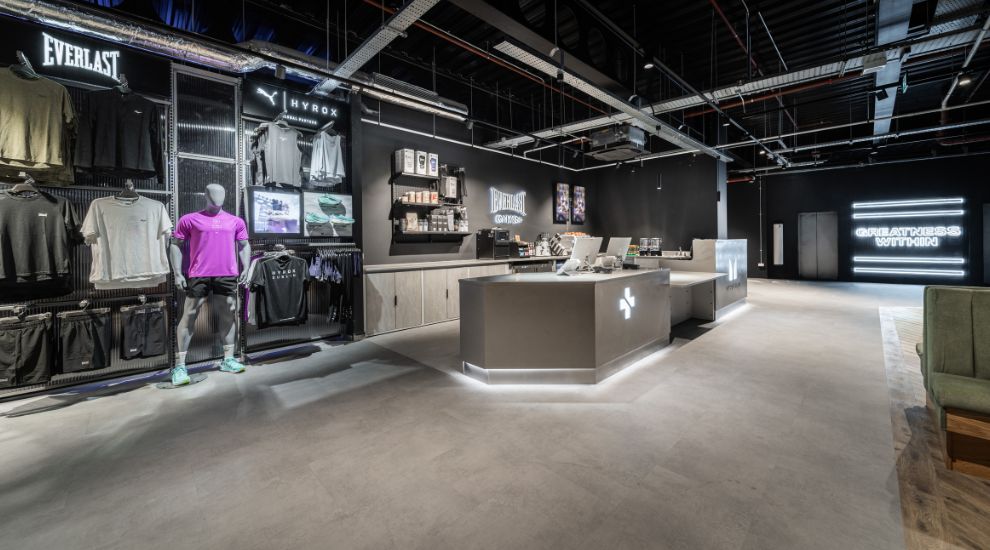
Rob Hartnett: The gym here is not simply a room filled with exercise equipment. There is seating, a café, smoothies, protein products and space for people to work. How important is that broader experience?
Dan Summerson: It is very important.
Traditionally, a gym reception was somewhere you scanned in and scanned out. We are now trying to create seating and café areas where people can take out a laptop and work.
Since Covid, many more people have flexible working arrangements and do not need to be in an office every day.
We see people coming into gyms, working on their laptops during the morning, having lunch or a coffee, completing a workout and then doing some more work afterwards.
We have to make sure our spaces work for those people. We are not only thinking about the gym floor. We are thinking about the products available and about giving people reasons to stay for longer than the duration of their workout.
You see that particularly in premium facilities, where there can be very strong restaurant, café and seating areas. Other parts of the market are now also thinking about that because members increasingly expect it.
It also creates opportunities for additional spending within the facility, but the starting point is providing the kind of environment people now want.
Rob Hartnett: HYROX has brought a new competitive and community dimension to gym-based fitness. How important is the HYROX element of the Dublin facility?
Dan Summerson: It is something we wanted to do, but we wanted to do it properly and better than others in the market.
Competitive fitness has become very popular. People do not only want to come into a gym, train on their own and go home. They want to compete, measure their times, look at their splits and understand their performance in more detail.
That makes people think more deeply about what they are doing in the gym.
We wanted this to become Ireland’s first HYROX Performance Centre. We have also opened with the white equipment used for the Elite 15 championship, which looks incredible.
This is the first facility in the UK and Ireland to launch with that equipment.
We are taking the whole HYROX proposition seriously. That includes programming, staff training and ensuring our teams have the appropriate HYROX qualifications.
We are not playing at it. We want to deliver the experience properly and operate at a very high level.
Rob Hartnett: There is a strong connection across the wider Frasers Group. Sports Direct was also a major partner of the large HYROX event staged in Dublin. How valuable is it for Everlast Gyms to have the backing and commercial reach of a major sports retailer?
Dan Summerson: It makes us stand out as a gym operator.
There are not many gym companies with the backing we have, the ability to work directly with Sports Direct and the potential to build relationships with powerful international brands.
At the conference in Madrid, one of the things that really stood out was the advantage we gain from working with the retail side of the business.
Retail has to understand the latest trends. It has to know what consumers want, and it works with many of the world’s leading sports brands. That makes us powerful within the fitness market.
Working within the Frasers Group is incredibly exciting. The relationship between Everlast Gyms and Sports Direct has grown significantly over the past four or five years.
I am particularly proud that people elsewhere in the business are proud of what we have created with the Everlast Gyms brand.
The model works well together. You can train in the gym and then go downstairs into Sports Direct to find your next pair of trainers, clothing or equipment.
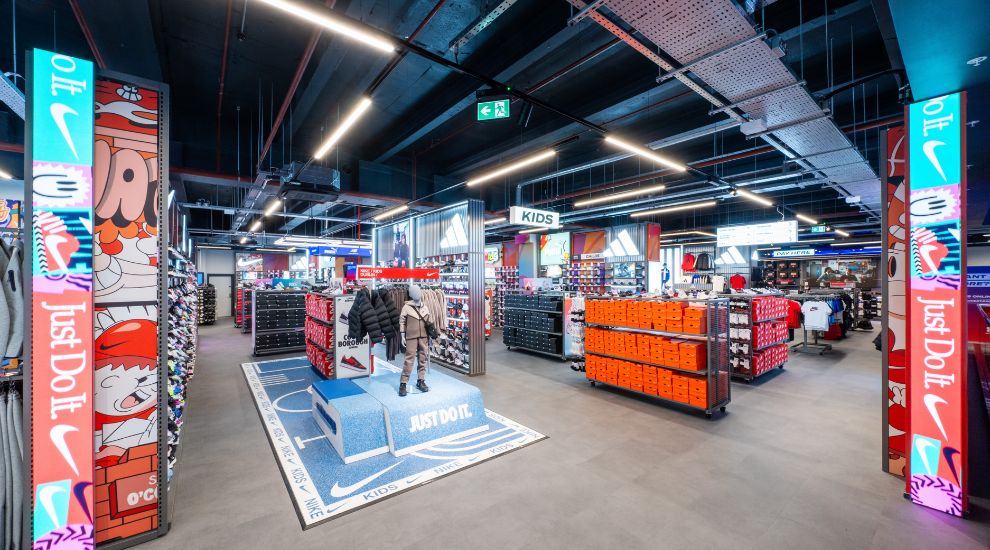
Rob Hartnett: The route into the gym is directly through Sports Direct. Was that always part of the plan?
Dan Summerson: It was not originally planned to have the staircase and escalator access through Sports Direct in Dublin.
However, we had already introduced that model at the Metrocentre in Gateshead and in Liverpool. The Liverpool building is also an iconic property, and the model worked extremely well.
The experience in Gateshead and Liverpool convinced the wider business that Dublin should have the same direct connection.
It means customers travel through the retail environment to reach the gym, and gym members travel back through it when they leave. It creates a very natural connection between the two businesses.
Rob Hartnett: What lessons from Gateshead and Liverpool have influenced the Dublin development?
Dan Summerson: We are constantly making adjustments.
If I took you to Gateshead and Liverpool, I think you would be able to see and feel how the concept has developed from one location to the next.
That is something we are good at internally. We can be proud of what we have delivered, but we immediately ask how it can be improved the next time.
Every time I visit a new facility, I feel it has moved forward again.
We have people within the business who are always looking for improvements. They are never completely satisfied, and that culture of continual improvement is important.
Rob Hartnett: That process of marginal improvement is familiar in sport, but it is also important in business. How do you maintain interest after the initial excitement surrounding a new gym begins to settle?
Dan Summerson: At the moment, we are the new arrival in Dublin, and people will naturally want to come in and see the facility.
The challenge is to keep evolving after that.
Our connection with retail is an advantage because retail businesses must remain aware of new trends and what is becoming popular.
Having worked in the gym industry for a long time, I have seen facilities open and then remain largely unchanged. We try not to do that.
We are constantly looking at the market, changing the offer and making sure the equipment, classes and experience remain current.
Seasonal trends still exist. January is always important, for example. However, a strong new facility will generally experience positive growth across its first 18 to 24 months, provided the service is good and the teams perform well.
After that, you have to continue responding to seasonal patterns, introduce new ideas and remain relevant.
Retention is ultimately about keeping people interested not just in a particular gym, but in exercise itself. People can lose their appetite or motivation at times, so the operator has to remain forward-thinking.
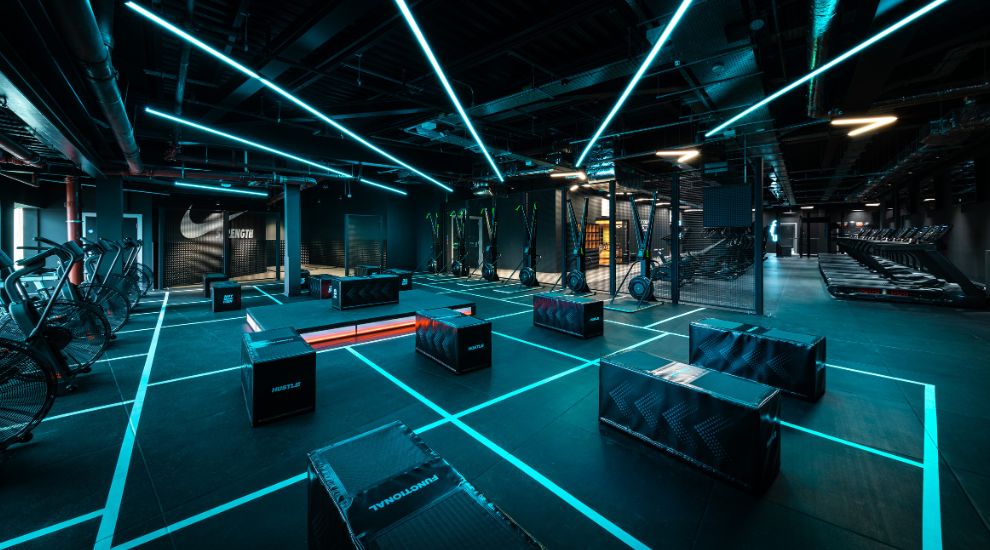
Rob Hartnett: This is an enormous facility. What kind of membership and attendance levels are you targeting?
Dan Summerson: We are aiming for a minimum of 5,000 members.
At peak times, we might expect approximately 200 to 250 members to be using the facility, but the space can comfortably accommodate that.
You could have 30 people in a class area, 70 people across part of the gym floor and other people in the changing rooms, recovery areas or café. The size of the building means those numbers can be spread out.
In a smaller gym, 200 or 250 people at one time could be difficult. Here, we have the space and range of facilities to manage it.
Membership use also naturally moves through peaks and troughs. People travel, work different hours, take holidays and have family commitments.
The last time I examined the usage patterns, around 20 per cent of members were using the gym very regularly. Another larger group might attend once a week or intermittently, while a further group were paying but not using the facility as often as they should.
Not every member follows the same pattern, which is why a large membership base does not mean everyone is trying to use the gym at the same time.
Rob Hartnett: Dublin has enjoyed several weeks of sunshine, but the rain was forecast to return just as the doors opened. Is that good timing for an indoor fitness business?
Dan Summerson: That could be a bonus. Hopefully people will want to come inside.
One of the great things about working in gyms is the air conditioning. When the weather is particularly hot, a gym is not a bad place to be because it is cool and comfortable.
The air-conditioning system here is excellent, and we also have recovery facilities and ice baths. Whether people want to train, cool down, recover, work or spend time with friends, there is a lot available within the facility.
That is what we have tried to create: the best of everything in one place.


 Sports Direct and Everlast Gyms are full members of Sport for Business.
If you would like to be part of the Sport for Business community and see your organisation in our content, on our stages, and in the conversation happening every day around the commercial world of Irish Sport, email us today and let’s see what is possible.
Image Credit: Sports Direct and Everlast Gyms

ABOUT SPORT FOR BUSINESS
Sport for Business is Ireland’s leading platform focused on the commercial, strategic and societal impact of sport. It connects decision-makers across governing bodies, clubs, brands, agencies, and public institutions through high-quality content, events, and insights.
Sport for Business explores how sport drives economic value, participation, inclusion and national identity, and how your story can be part of ours.
Through analysis, storytelling and convening the sector, it helps leaders understand trends, share best practices, and make better-informed decisions. It positions sport not just as entertainment but as a vital contributor to Ireland’s social and economic fabric.
Find out more about becoming a member today.
Or sign up for our Daily Sport for Business Snapshot email bulletins to get a flavour of the material we cover.
Sign up for our News Bulletins here.