McDonald’s has delivered the most memorable identifiable advertising, Heineken 0.0 has secured the most consistent visibility, and Paddy Power has produced the campaign that best understands the Irish audience.
Ireland may not have qualified for the 2026 FIFA World Cup, but Irish audiences and advertisers have most certainly turned up.
Between June 11 and June 28, the tournament generated 9.2 million streams on RTÉ Player, already surpassing the total recorded across the entire 2022 World Cup.
RTÉ2 and RTÉ2+1 reached 2.9 million unique television viewers during the group stage, while World Cup content delivered another 23 million views across RTÉ Sport’s social channels.
It has created one of the largest Irish advertising opportunities of the year, even without the emotional and commercial acceleration that would have accompanied the Republic of Ireland’s participation.
There is no single publicly available study providing an overall return-on-investment ranking for every brand active around the tournament in Ireland.
Effectiveness can also mean different things: advertising recall, broadcast visibility, cultural relevance, retail sales, customer acquisition or long-term brand association.
Combining the available evidence across those areas nevertheless yields a reasonably clear picture of which brands have made the most of the opportunity.
McDonald’s Wins the Advertising Recall Contest
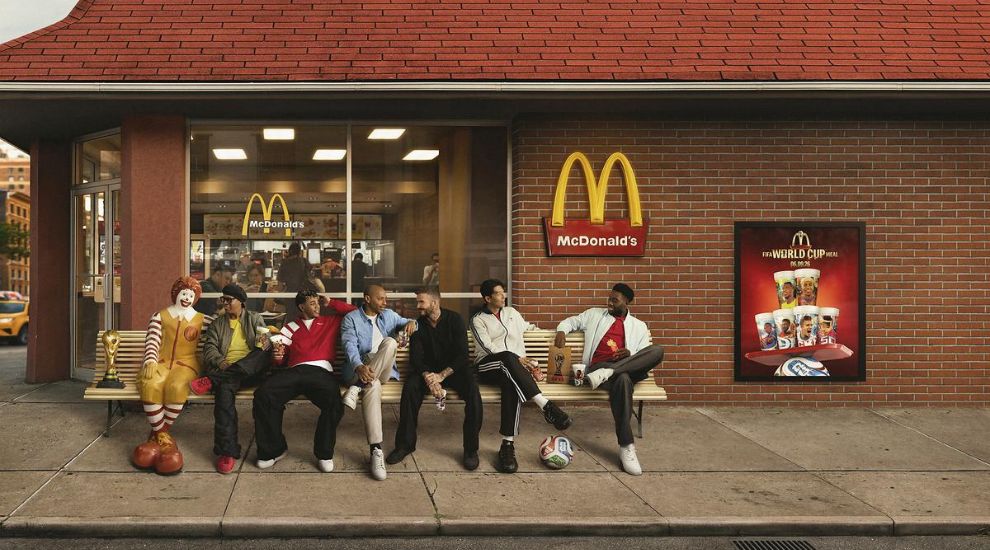
The strongest available piece of Irish consumer evidence belongs to McDonald’s.
Its Absolute Legends World Cup campaign finished first in the latest edition of The Interesting Index, a quarterly Irish advertising study produced by the creative agency The Public House, in partnership with Bounce Insights and Adworld.
The research surveyed 1,000 nationally representative respondents and examined which advertisements people remembered, why they remembered them and the emotions they generated.
It is therefore primarily a measure of spontaneous advertising recall and memorability. It does not establish which campaign produced the largest sales increase or the best commercial return.
That distinction is important.
The research showed that Irish consumers had been exposed to a substantial volume of World Cup advertising during the quarter. Many respondents could remember seeing football-related advertisements but could not name the brands behind them.
Those generic World Cup responses would collectively have ranked sixth in the index.
McDonald’s was the brand that cut through most clearly.
The campaign was supported by an integrated television, social, streaming and in-restaurant activation.
Limited-edition meals and collectable cups featured David Beckham, Ronaldinho and Thierry Henry, drawing on both World Cup nostalgia and the McDonald’s collectable football cups of the 1990s.
The promotion ran across its restaurants in Ireland and Britain, extending the campaign from advertising into something customers could buy, collect and share.
That combination is important. McDonald’s did not simply borrow football imagery for a television commercial. It placed the tournament directly into the customer experience.
International monitoring also supports the strength of its approach.
Analysis by media intelligence company Onclusive found that McDonald’s partnerships with Lamine Yamal, Christian Pulisic and Alphonso Davies produced three of the nine most discussed player-and-brand combinations during the tournament.
Yamal’s association with McDonald’s generated a greater share of voice than Lionel Messi’s work with Adidas.
McDonald’s can therefore make the clearest claim to having produced the most memorable, identifiable World Cup advertising in the Irish market.
That does not make it the undisputed overall winner, but it is a significant achievement in a period when many football campaigns blurred into one another.
Heineken 0.0 Owns the Broadcast
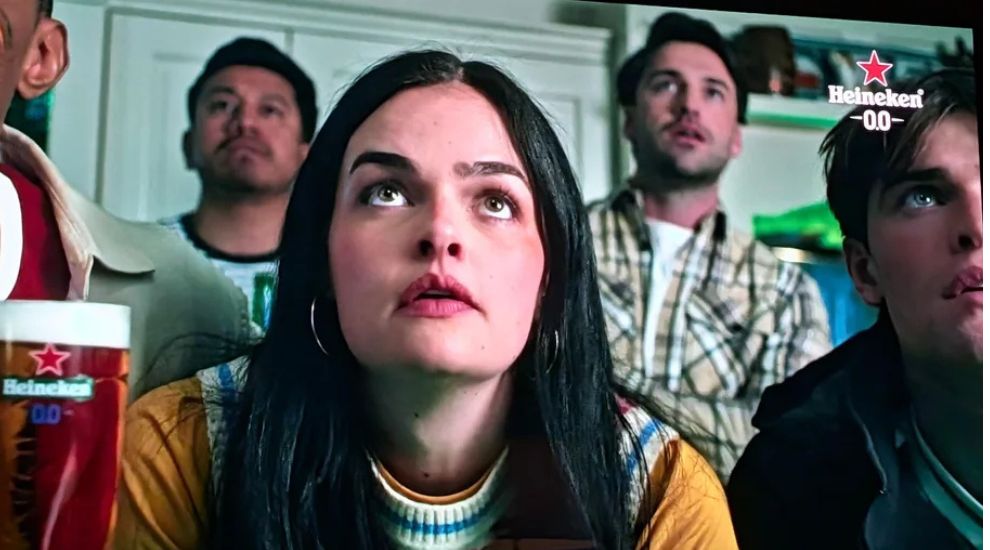
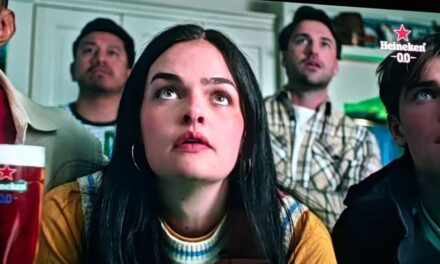
Heineken was the only other recognisable World Cup campaign to make the top ten of The Interesting Index, finishing fifth with Fans Have More Friends.
Respondents described the advertisement as short, clearly connected to the tournament and well edited. And everyone now knows that Jane lives at 43.
That creative activity was supported by an even more significant Irish investment: Heineken 0.0 is the sponsor of RTÉ’s World Cup coverage.
Its sponsorship stings appear at the beginning of live broadcasts on RTÉ2 and RTÉ Player and at the opening and closing of commercial breaks. The branding is also integrated across RTÉ’s promotional activity surrounding all 104 matches.
Where McDonald’s produced the most readily recalled individual advertisement, Heineken 0.0 has achieved the most sustained association with the viewing experience.
Its advantage lies in consistency.
Audiences may follow different countries, matches, and stages of the competition, but the Heineken 0.0 identity remains consistent throughout the coverage.
As viewing has shifted across traditional television, RTÉ Player, social media clips, and highlights, that partnership has provided a level of frequency and continuity that a standalone campaign would struggle to match.
The Fans Have More Friends platform is also broad enough to work effectively in an Irish context.
It positions football fandom as a social connector, inviting supporters to find company in pubs, stadiums and shared viewing environments.
That fits the way the tournament is being consumed in Ireland.
Research conducted ahead of the World Cup found that 42 per cent of Irish viewers expected to watch matches in pubs, 28 per cent at friends’ homes and 25 per cent by hosting others.
Heineken 0.0 has therefore bought significant visibility while also finding a proposition that makes sense alongside the occasion.
Paddy Power Finds the Most Irish Answer
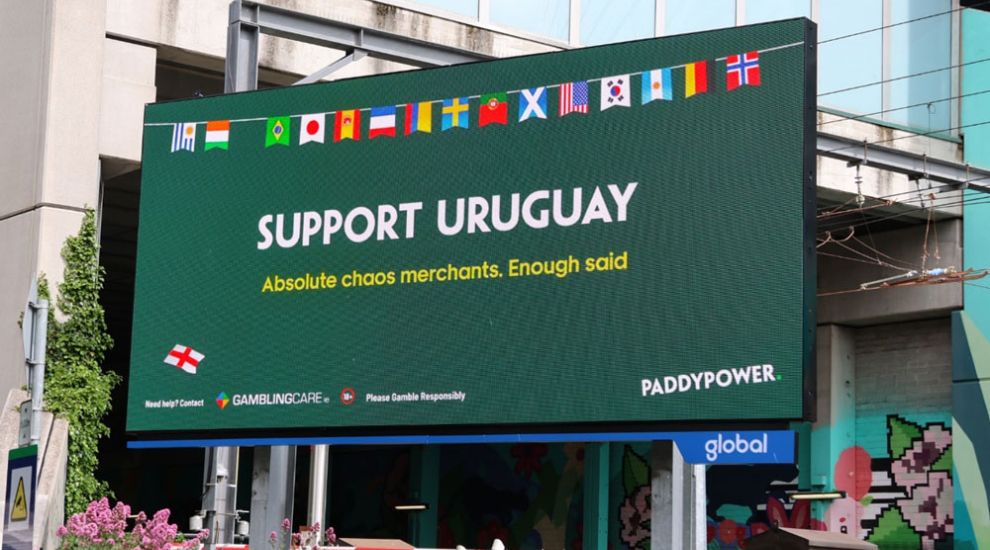
Paddy Power’s campaign is arguably the strongest piece of local strategy.
Its original media planning had anticipated Ireland qualifying. When that did not happen, the brand turned the disappointment into a creative idea rather than ignoring it.
Its outdoor campaign found reasons for Irish supporters to adopt competing countries, with the notable exception of England.
“Go Panama”, “Support Uruguay”, “Viva Brazil” and “Come On Turkey” connected the tournament with Irish rivalries, cultural associations and borrowed allegiances.
Fourteen different creative lines appeared across ten outdoor formats, including large roadside sites, transport panels, bus shelters and Dublin Airport.
The sharpest execution encouraged Ireland to support the Ivory Coast because its flag is the Irish tricolour in reverse.
Some digital posters were physically flipped to complete the joke, with the campaign timed around the Ivory Coast’s matches and supported through Irish print advertising.
Paddy Power did not have the official World Cup marks, collectable products or guaranteed broadcast exposure available to FIFA partners.
What it had was cultural fluency.
The brand understood that Irish supporters did not need to be persuaded to watch the tournament. They needed a locally relevant way into the conversation after the national team’s failure to qualify.
The campaign effectively turned Ireland’s absence into an asset.
It was also a reminder that the most expensive rights package does not automatically produce the work that resonates most strongly with a local audience.
Coca-Cola Converts Sponsorship into Retail Activity
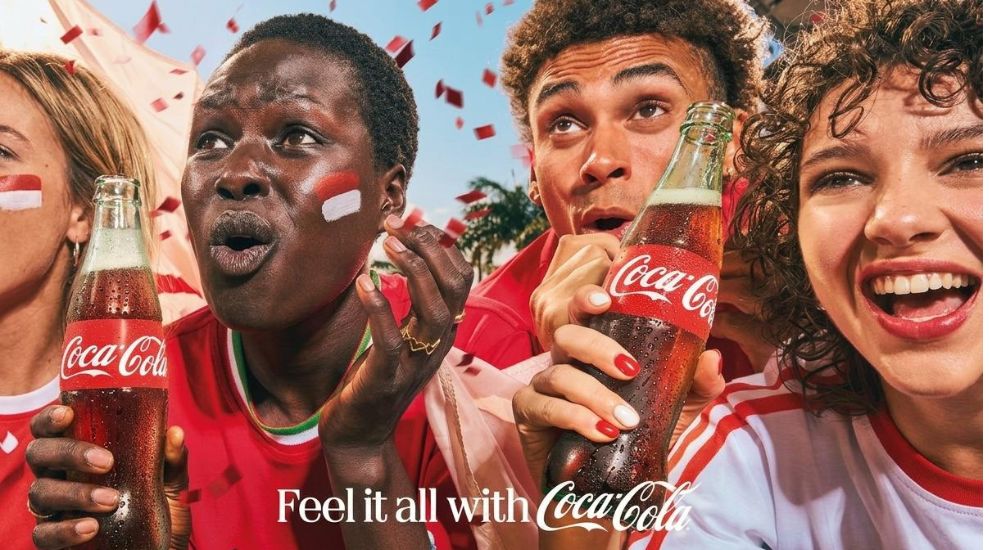
Coca-Cola has been one of the leading official sponsors globally.
YouGov BrandIndex data in Britain showed its advertising awareness rising from 11.6 to 20.9 between May 29 and June 28, the largest increase among the five official World Cup partners examined.
Its Irish execution has leaned heavily into retail activation and customer data.
Specially marked Coca-Cola products carried Panini World Cup stickers, while consumers in the Republic of Ireland and Northern Ireland could scan packs, upload receipts through the Coca-Cola app and enter weekly draws.
Prizes included branded clothing, collectable cups, sports vouchers, electronics vouchers and official footballs.
The activity may have been less creatively distinctive than Paddy Power’s campaign or as visibly dominant as Heineken 0.0’s RTÉ sponsorship, but it connected the rights directly to purchase behaviour.
Every bottle or multipack provided a physical reminder of Coca-Cola’s association with the tournament, while the app mechanic enabled the company to build a direct relationship with participating consumers.
From a commercial perspective, this was sponsorship that extended beyond awareness into acquisition, repeat purchase, and first-party customer data.
Adidas Wins Globally, but Nike Finds Ireland’s Player Story
Globally, Adidas appears to be winning the sportswear contest.
It supplied 14 national teams and the official match ball, while data reported during the tournament showed Adidas apparel sales increasing by 70 per cent year-on-year in May.
Visits to its United States stores also rose sharply during the opening week of the World Cup.
Tournament analysis by Pulsar identified Adidas as one of the leading brands for positive reputation, with the official ball, national-team shirts and player storytelling helping it become part of the competition’s narrative rather than simply another sponsor displayed around it.
Nike, however, continued to dominate individual player conversation.
Its partnerships involving Kylian Mbappé, Cristiano Ronaldo and Erling Haaland accounted for more than half of the player endorsement mentions monitored by Onclusive.
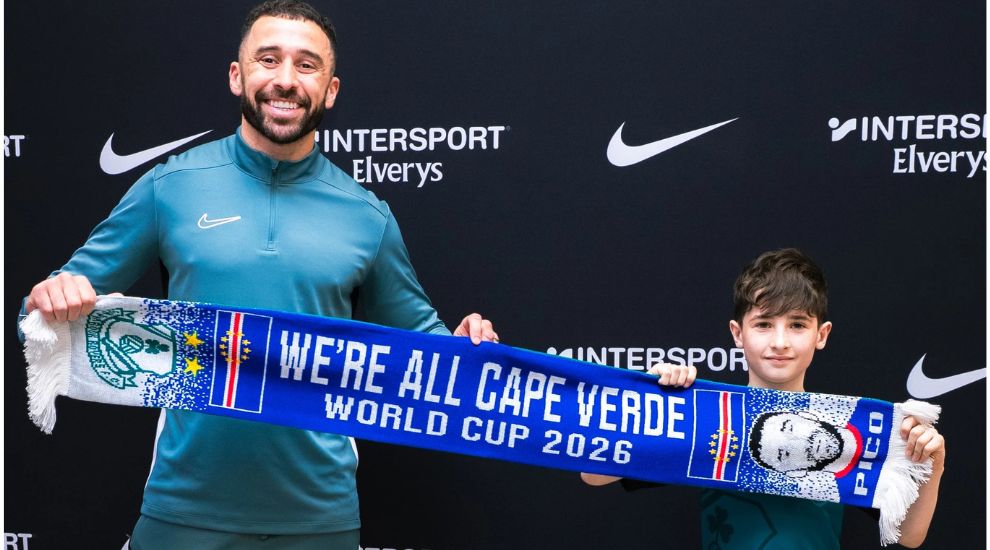
In Ireland, Nike and Intersport Elverys also secured a particularly valuable local connection through Shamrock Rovers captain Roberto “Pico” Lopes.
Lopes became Ireland’s only on-field representative at the tournament as Cape Verde reached the knockout stages.
His performances, Irish background and League of Ireland story gave Nike and Elverys something that a global campaign could not manufacture: a genuine Irish participant whose profile grew with every match.
It was a smaller activation than those undertaken by the multinational World Cup sponsors, but a highly credible one.
Different Winners for Different Measures
There is no single definitive winner from the World Cup’s Irish brand contest.
McDonald’s has the strongest claim on advertising recall. It created the most memorable, identifiable campaign in The Interesting Index while connecting its creative work to football personalities, products, and restaurant activity.
Heineken 0.0 has the strongest claim on visibility and association. Its partnership with RTÉ has consistently linked the brand to the viewing experience across television and streaming.
Paddy Power has delivered the most culturally relevant Irish campaign, speaking directly to how supporters here experience a World Cup for which Ireland failed to qualify.
Coca-Cola has produced one of the most comprehensive retail and customer-acquisition activations, while Nike and Intersport Elverys deserve recognition for identifying the tournament’s most authentic Irish player story.
The broader lesson is that World Cup effectiveness has not been determined solely by official status or expenditure.
The brands making the greatest impact have given supporters something distinctive to remember, collect, discuss or participate in.
In a tournament crowded with sponsors using many of the same players, flags and emotional cues, distinctiveness has been more valuable than visibility alone.

 If you would like to be part of the Sport for Business community and see your organisation in our content, on our stages, and in the conversation happening every day around the commercial world of Irish Sport, email us today and let’s see what is possible.
Image Credit: Heineken / McDonalds / Paddy Power / Coca Cola / Intersport Elverys
ABOUT SPORT FOR BUSINESS
Sport for Business is Ireland’s leading platform focused on the commercial, strategic and societal impact of sport. It connects decision-makers across governing bodies, clubs, brands, agencies, and public institutions through high-quality content, events, and insights.
Sport for Business explores how sport drives economic value, participation, inclusion and national identity, and how your story can be part of ours.
Through analysis, storytelling and convening the sector, it helps leaders understand trends, share best practices, and make better-informed decisions. It positions sport not just as entertainment but as a vital contributor to Ireland’s social and economic fabric.
Find out more about becoming a member today.
Or sign up for our Daily Sport for Business Snapshot email bulletins to get a flavour of the material we cover.
Sign up for our News Bulletins here.