When the FIFA World Cup first arrived in North America in 1994, homosexuality had only recently been removed as a crime from the Irish statute books.
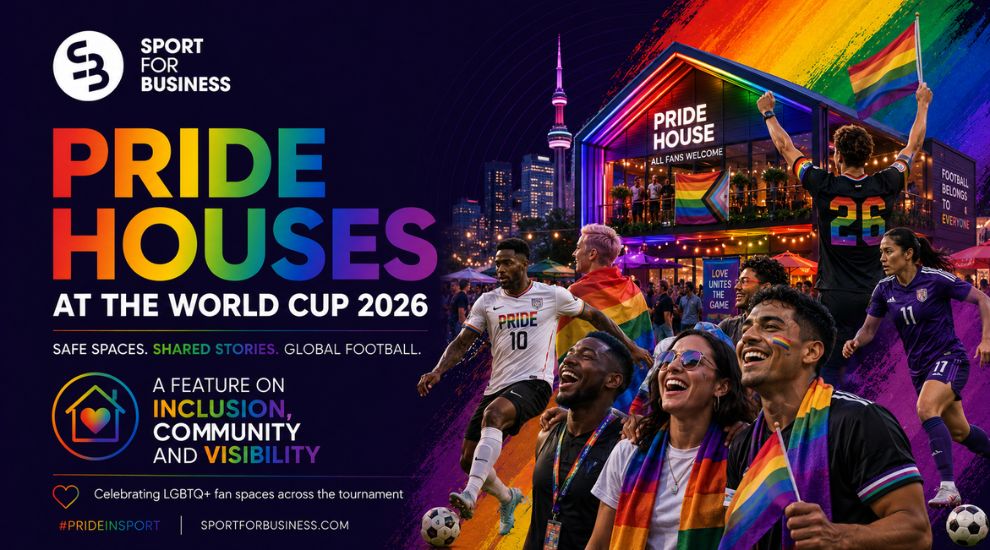
More than three decades later, the 2026 tournament is a key landmark event in the expansion of the Pride House movement, which has become one of the most visible examples of how major sporting events are evolving to place community and belonging alongside competition.
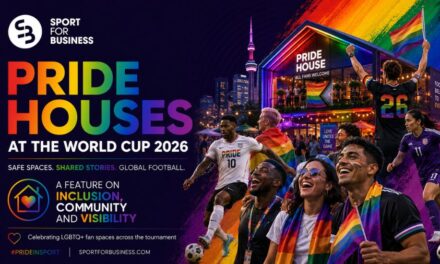
For the first time in World Cup history, Pride Houses are operating across multiple host cities throughout the tournament in the United States, Canada and Mexico. Originally established during the Winter Olympics in Vancouver in 2010, Pride Houses were designed to provide safe, welcoming and inclusive spaces for LGBTQ+ athletes, supporters and allies attending major sporting events.
Since then, the concept has spread to international sporting events around the world, becoming a recognised feature of the global sporting landscape.
At the 2026 World Cup, however, the initiative has reached a new scale.
Rather than acting as standalone venues, the Pride Houses have become community hubs, offering cultural events, panel discussions, networking opportunities, live match screenings and educational programmes throughout the tournament. They have created spaces where supporters from different countries can gather, celebrate football and engage with local communities.
The significance extends far beyond the LGBTQ+ community.
Increasingly, event organisers recognise that fan experience is one of the most valuable assets in modern sport. Supporters are looking for more than a ticket and a seat. They want connection, community and experiences that reflect the diversity of those attending.
Pride Houses have emerged as a practical demonstration of how those expectations can be met.
For Irish sport, there are important lessons.
Ireland is preparing to host an increasing number of major international events over the coming decade. The 2027 Ryder Cup, the 2028 Uefa Euro Championship Finals and the 2030 T20 Cricket World Cup, and growing ambitions around sports tourism all require organisers to think carefully about the visitor experience beyond the competition itself.
Creating welcoming spaces does not necessarily require dedicated Pride Houses, though that is the highest standard we should be aiming for. It can involve supporter zones, cultural programming, volunteer training, accessibility initiatives and community engagement projects that ensure all attendees feel represented and included.
The success of the Pride House model lies partly in its simplicity.
It acknowledges that while sport has a unique ability to bring people together, not everyone experiences sporting environments in the same way. Providing dedicated spaces for connection and support helps create a more positive experience for many attendees while enriching the wider event atmosphere.
For sponsors, the initiative has also demonstrated the growing alignment between inclusion and fan engagement. Many commercial partners now view investment in community-focused activations as an important component of their event strategies, recognising that supporters increasingly value authenticity and social impact alongside entertainment.
Sport for Business Perspective
Major events are becoming platforms not only for elite competition but also for conversations about culture, community and identity. Organisers are increasingly judged on the experiences they create around the sporting spectacle as much as on the spectacle itself.
That shift presents opportunities for Ireland.
The country’s sporting reputation has long been built on hospitality, community spirit and volunteerism. As Ireland seeks to attract and host more international events, there is an opportunity to build on those strengths by creating environments where all visitors feel welcome.
Pride Houses offer one example of how that can be achieved.
Whether the concept itself eventually appears at major Irish sporting events remains to be seen. What is already clear, however, is that supporters’ expectations are changing. The modern sports fan wants to belong, not simply attend.
The 2026 FIFA World Cup’s Pride House network demonstrates that creating spaces for connection, inclusion and community can add real value to the event experience.
As global sport continues to evolve, that lesson may prove just as important as anything taking place on the field of play.
 Sporting Pride and the Department of Culture, Communications and Sport are full members of Sport for Business.
If you would like to be part of the Sport for Business community and see your organisation in our content, on our stages, and in the conversation happening every day around the commercial world of Irish Sport, email us today and let’s see what is possible.
Image Credit: Leinster Rugby, Leo Cullen with Leinster Rugby CEO Shane Nolan.
ABOUT SPORT FOR BUSINESS
Sport for Business is Ireland’s leading platform focused on the commercial, strategic and societal impact of sport. It connects decision-makers across governing bodies, clubs, brands, agencies, and public institutions through high-quality content, events, and insights.
Sport for Business explores how sport drives economic value, participation, inclusion and national identity, and how your story can be part of ours.
Through analysis, storytelling and convening the sector, it helps leaders understand trends, share best practices, and make better-informed decisions. It positions sport not just as entertainment but as a vital contributor to Ireland’s social and economic fabric.
Find out more about becoming a member today.
Or sign up for our twice-daily bulletins to get a flavour of the material we cover.
Sign up for our News Bulletins here.